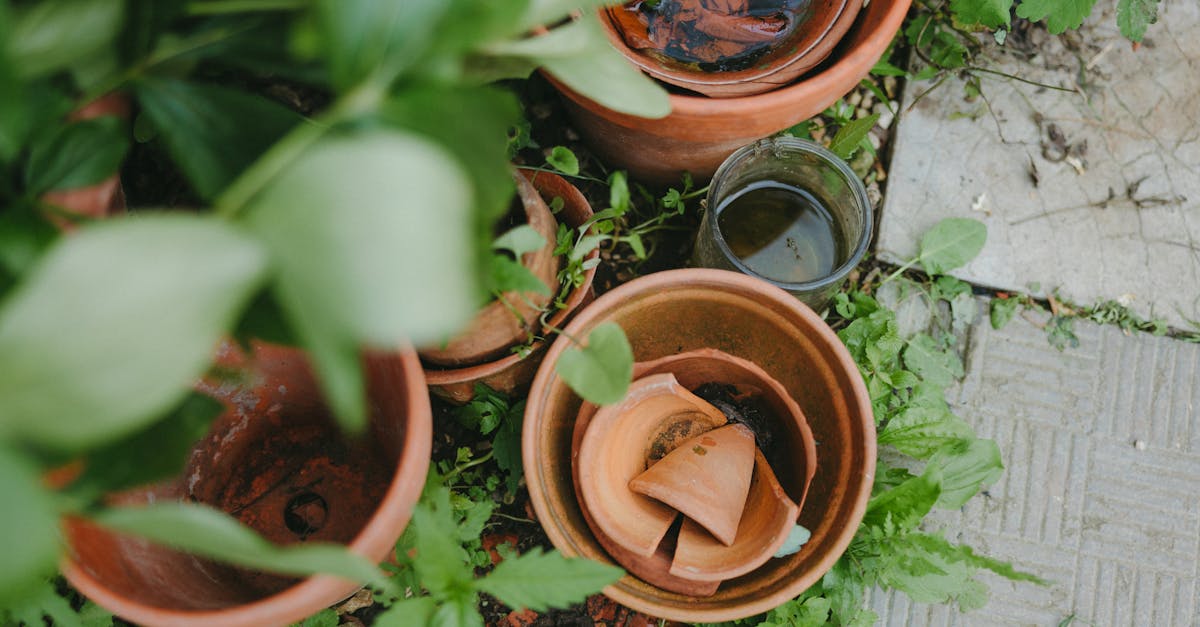
You spend hours in your garden, meticulously weeding, pruning, and planting, only to step back and find it still looks… a bit chaotic. It’s a common frustration, and one I’ve personally battled for years. My early attempts at gardening often resulted in a patchwork of plants, some thriving, others struggling, and an overall sense that I was constantly chasing a fleeting ideal of order. It felt like a perpetual chore, not the serene oasis I envisioned.
The mistake I see most often, and one I certainly made, is tackling the garden piecemeal – addressing problems as they arise without a cohesive, long-term vision. We focus on individual plants or small sections, missing the overarching design principles that create harmony and reduce maintenance. The truth is, a truly beautiful, low-maintenance garden isn’t about constant intervention; it’s about smart planning and understanding how plants interact with their environment and each other.
Key Takeaways
- Embrace structural planting with evergreens and hardscaping to define year-round interest.
- Strategically layer plants by height, texture, and bloom time to create visual depth and continuous appeal.
- Utilize repetition and complementary colors to establish visual rhythm and unify diverse plantings.
- Focus on improving soil health and choosing climate-appropriate plants to reduce maintenance and enhance resilience.
The Illusion of ‘Natural’ Chaos: Why Intentional Structure is Non-Negotiable
Many aspiring gardeners fall into the trap of believing a “natural” look means letting plants grow wild. In my experience, this approach inevitably leads to a messy, overgrown space that requires more, not less, work to manage. A truly effortlessly beautiful garden, even one that appears naturalistic, is built on a foundation of intentional structure. Think of it like a house – you can have beautiful furniture and decor, but without strong walls and a roof, it won’t hold up.
What changed everything for me was realizing that year-round structure doesn’t just come from plants; it comes from hardscaping and evergreens. I used to dismiss evergreens as boring, opting for showier seasonal blooms. Big mistake. Evergreens, whether they’re broadleaf shrubs like rhododendrons, conifers like dwarf Alberta spruce, or even ornamental grasses that hold their form through winter, provide the bones of your garden. They offer evergreen foliage, define spaces, and give the eye a place to rest, especially during the colder months when deciduous plants have shed their leaves. Hardscaping elements like pathways, raised beds, or even a strategically placed boulder or bench also contribute to this foundational structure. They create boundaries, guide movement, and introduce architectural interest that holds the garden together.
For example, instead of a random scattering of hostas and impatiens along a property line, I now recommend establishing a continuous hedge of boxwoods or a row of compact evergreens like ‘Sky Pencil’ hollies. This creates a solid green backdrop that not only looks neat but also highlights the seasonal plants placed in front of it. It’s like putting a frame around your masterpiece. This deliberate framework ensures that even when certain plants are dormant or between bloom cycles, the garden still looks purposeful and cared for, requiring minimal fuss to maintain its underlying order.
The Layering Mistake: Why Mixing Heights and Textures is Key to Visual Depth
One of the most common reasons a garden looks messy is a lack of thoughtful layering. Imagine a theater stage where all the actors are standing in a single line – it’s flat, uninteresting, and hard to follow. A well-designed garden, by contrast, is a three-dimensional tapestry. It guides the eye through different heights, textures, and forms, creating a sense of depth and continuous visual interest. The mistake I often observe is planting everything at roughly the same height or, conversely, placing tall plants in front of shorter ones, obscuring their beauty.
What truly transformed my own plantings was adopting a tiered approach, much like a wedding cake. Start with your tallest plants in the back (or center, if it’s an island bed), mid-height plants in the middle, and low-growing plants, groundcovers, or edging plants at the front. But it’s not just about height; texture plays a critical role too. Mixing broad-leaved plants with fine, feathery foliage, or smooth leaves with fuzzy ones, adds a dynamic quality that prevents the garden from looking monolithic. For instance, pairing the bold, architectural leaves of a hosta with the delicate fronds of a fern, and then contrasting both with the spiky texture of a sedum, creates a captivating interplay.
Beyond height and texture, consider bloom times. A ‘messy’ garden often has sporadic bursts of color followed by long periods of green boredom. To achieve year-round beauty, plan for continuous bloom. This means selecting plants that flower in succession from early spring through late fall, and even plants with interesting seed heads or bark for winter interest. A classic example in my region (USDA Zone 7) is combining early spring bulbs like daffodils, followed by hydrangeas for summer bloom, and then finishing with asters for fall color. This thoughtful layering ensures that as one plant fades, another steps up to take its place, providing an ongoing visual feast that feels effortlessly beautiful because it was meticulously planned.
The Overwhelmed Eye: The Power of Repetition and Color Harmony
A garden that feels messy often suffers from visual overload – too many disparate elements, too many colors, too many different plant types without any unifying thread. It’s like walking into a room crammed with every piece of furniture you own, each a different style and color; your eye doesn’t know where to land. The biggest lesson I learned in achieving a cohesive, serene garden was the power of repetition and a restrained, harmonious color palette.
I used to be a plant collector, wanting one of everything. My garden looked like a botanical encyclopedia, not a sanctuary. The moment I started repeating plant selections – using the same type of hosta in several areas, or echoing a particular ornamental grass along a path – a sense of rhythm and calm emerged. Repetition acts as a visual anchor, guiding the eye through the garden and linking different areas together. It creates a sense of intention and flow, making the garden feel larger and more unified, even with diverse plantings.
Color harmony is equally crucial. Instead of a riot of clashing hues, focus on a limited palette of two to three main colors, along with supporting greens. For instance, if you love purples and pinks, select plants within that range, perhaps adding touches of silver foliage (like lamb’s ear) or white flowers to provide a cooling contrast and break up the intensity. Consider the color wheel: complementary colors (like purple and yellow) can create high drama, while analogous colors (like blue, purple, and pink) create a more serene and blended effect. In my own garden, I gravitate towards cool blues and purples, punctuated by soft whites and occasional bursts of yellow for vibrancy. This disciplined approach to color ensures that the garden always feels cohesive and inviting, never overwhelming.
The Neglected Foundation: Why Soil Health and Plant Selection Are Your Best Friends
Perhaps the most overlooked secret to an effortlessly beautiful garden that stays beautiful with minimal intervention lies beneath the surface and in the initial choices you make. A messy garden is often a stressed garden, and stressed plants are high-maintenance. They’re more susceptible to pests and diseases, they grow poorly, and they require constant fussing. The foundational mistake I rectified in my gardening journey was underestimating the critical importance of soil health and making impulsive, unsuitable plant selections.
I used to believe that adding a bag of topsoil was enough. I now know that nurturing healthy soil is the single most impactful thing you can do. Rich, well-draining soil provides the nutrients and aeration plants need to thrive, building strong root systems that resist disease and drought. My go-to strategy is to continuously amend my garden beds with generous amounts of organic matter, like homemade compost or well-rotted manure, every spring and fall. This isn’t a one-time fix; it’s an ongoing investment. Healthy soil means plants grow vigorously and predictably, filling their intended spaces without looking scraggly or requiring excessive fertilizer, which ultimately reduces the visual ‘mess.’
Equally important is plant selection. We often buy plants because they’re pretty in the nursery, without considering if they’re truly suited to our specific microclimate, light conditions, and soil type. This leads to plants that struggle, outgrow their space rapidly, or simply die, leaving gaps and an overall unkempt appearance. The ‘right plant, right place’ mantra is not just a saying; it’s a golden rule. Before I buy any plant now, I research its mature size, light requirements, water needs, and hardiness zone. For example, planting a sun-loving coneflower in deep shade will never result in a thriving, beautiful plant – it will be leggy, sparse, and bloom poorly, contributing to that messy look. Conversely, choosing drought-tolerant natives for a sunny, dry spot means they’ll flourish with minimal watering, staying lush and attractive.
By focusing on these often-ignored fundamentals – building exceptional soil and making informed plant choices – you equip your garden to largely take care of itself. This proactive approach transforms the garden from a constant battle into a resilient, self-sustaining ecosystem that looks beautiful year-round with significantly less effort on your part.
Frequently Asked Questions
How can I make my garden look less ‘busy’ without removing too many plants?
Focus on repetition of key plant elements and a limited color palette. Group plants of the same type together in drifts rather than scattering them. Introduce strong structural elements like evergreen shrubs or hardscaping to give the eye places to rest and define clear areas. You don’t need to remove plants, just reorganize and simplify the visual story.
What are some low-maintenance plants that provide year-round interest?
Evergreen shrubs like Boxwood, Holly, or Rhododendron provide structure and foliage. Ornamental grasses like Maiden Grass (Miscanthus) or Little Bluestem offer texture and seed heads through winter. Perennials with interesting winter silhouettes like Sedum ‘Autumn Joy’ or those with attractive bark like Red Twig Dogwood are also excellent choices for continuous appeal with minimal fuss.
My soil is really poor. How quickly can I improve it?
While significant improvement takes time, you can see noticeable changes within one to two seasons by consistently adding organic matter. Incorporate 2-4 inches of high-quality compost, well-rotted manure, or leaf mold into your top 6-8 inches of soil every spring and fall. Over time, this will dramatically improve soil structure, fertility, and water retention.
How do I choose the right plants for my specific garden conditions?
Start by observing your garden’s light exposure (full sun, partial shade, full shade), soil type (sandy, clay, loam), and moisture levels. Research plants that are native to your region or are known to thrive in similar conditions (check your USDA Hardiness Zone). Look for plants labeled as ‘low-maintenance,’ ‘drought-tolerant,’ or ‘disease-resistant.’ Prioritize ‘the right plant, right place’ to ensure they thrive with minimal intervention.
Should I use garden edging to define beds? Does it really help?
Absolutely. Garden edging is a game-changer for reducing a ‘messy’ appearance. It creates a crisp, clean line between your garden beds and lawn or pathways, immediately making the entire space look more intentional and tidy. It also helps prevent grass from creeping into your beds and keeps mulch contained, reducing ongoing maintenance.
Conclusion
Transforming a chaotic garden into a serene, effortlessly beautiful space isn’t about working harder; it’s about working smarter. By embracing intentional structure, thoughtful layering, cohesive repetition, and foundational soil health, you can shift from a reactive gardener to a proactive designer. This approach not only results in a garden that looks stunning year-round but also one that demands less of your time and energy, allowing you to truly enjoy the peace and beauty you’ve cultivated. Start with one bed, implement these principles, and watch your garden go from ‘messy’ to magnificent.