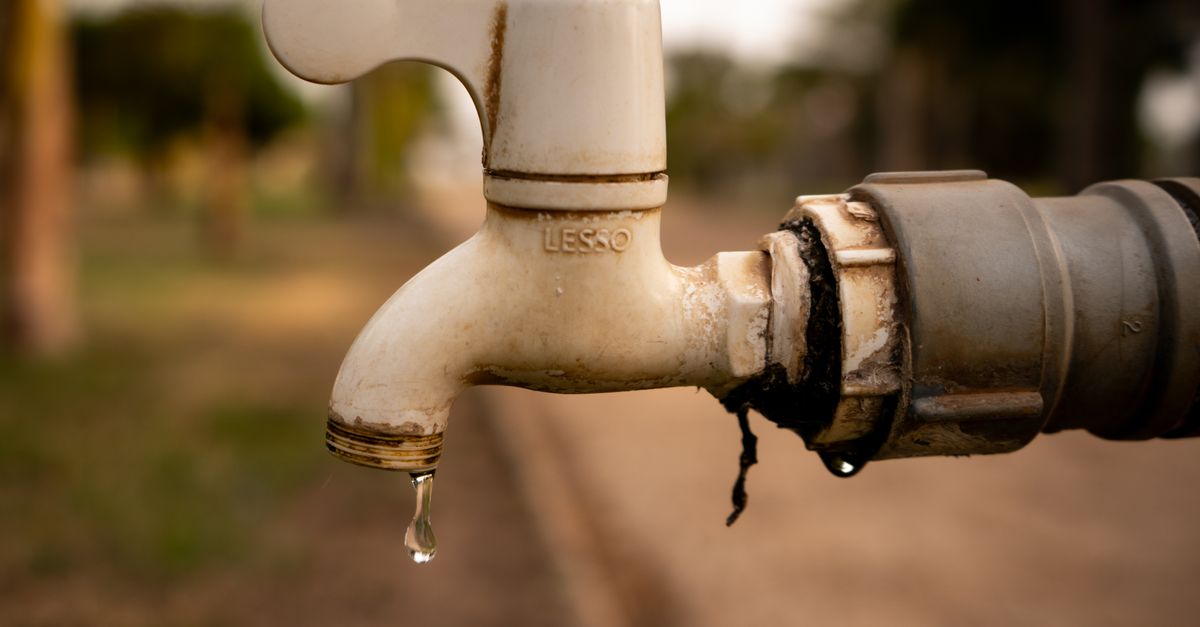
Every spring, the dread creeps in. You turn on your outdoor spigot for the first time, eager to water your burgeoning garden, only to be met with a drip, a trickle, or worse—a complete lack of water. Then comes the inevitable: the discovery of a burst pipe in your basement or crawl space, a direct consequence of a frozen garden faucet over the winter. I’ve seen this scenario play out countless times in my years of home renovation and DIY consultations, not just for others but in my own early days as a homeowner. It’s a costly, messy, and entirely preventable problem.
Most homeowners understand that outdoor faucets need some winterizing. They’ll disconnect the hose, maybe even wrap the spigot with an insulating cover. But the mistake I see most often, the one that guarantees a repeat performance of frozen pipes, is neglecting the inside shut-off valve and drain plug. It’s the hidden culprit, the silent saboteur that renders all other efforts useless. This isn’t just about avoiding a bill; it’s about protecting your home’s foundation and preventing water damage that can be a nightmare to remediate.
Key Takeaways
- The primary reason outdoor faucets freeze is trapped water in the pipe leading to the spigot, not necessarily the spigot itself.
- Always locate and close the dedicated indoor shut-off valve for your outdoor faucet before winter hits.
- After closing the shut-off, open the outdoor spigot and the indoor drain plug (if present) to completely drain the line.
- Modern frost-free spigots are excellent but still require disconnecting hoses to function correctly.
The Real Culprit: Water Trapped Behind the Spigot
Many people mistakenly believe that simply removing the garden hose and perhaps adding an insulating cover to the outdoor spigot is enough. They think the problem is the visible, exterior part of the faucet. While these steps are good practice, they only address half the equation, and often, not even the most critical half. The real danger lies in the pipe segment between your home’s main water line and the actual outdoor faucet.
Think about it: water expands when it freezes, exerting immense pressure on any enclosed space. If water is left in that short run of pipe leading to your spigot, when temperatures plummet below freezing, that water will turn to ice. This expansion creates enough force to crack copper, burst PVC, or split PEX piping. The burst usually happens inside your heated home, where the pipe transitions from warm to cold, or even a few feet back from the exterior wall. You won’t know until spring thaw, when you finally turn on the faucet and water starts gushing into your basement or crawl space.
In my experience, almost every frozen outdoor faucet disaster could have been avoided by addressing this specific issue of trapped water. It’s not about the cold outside the house as much as it is about the water inside the pipe having nowhere to go. It’s akin to leaving a full soda can in the freezer – it will burst, every single time.
The Crucial Indoor Shut-Off Valve: Your First Line of Defense
The single most effective step in preventing a frozen garden faucet is to locate and close its dedicated shut-off valve inside your home. This valve is typically found in your basement, crawl space, or utility room, usually on the wall directly opposite where your outdoor spigot is located. It will be on the main cold water line, often with a small handle (either a gate valve with a wheel handle or a ball valve with a lever handle) leading off to the outdoor spigot.
For a standard outdoor faucet, closing this valve completely cuts off the water supply to the exterior pipe. This is your first and most critical action. I recommend marking this valve clearly with a tag or bright tape once you’ve found it, so there’s no confusion next year. A few years back, I helped a neighbor trace a burst pipe back to an unmarked shut-off valve hidden behind a stack of moving boxes. A simple label could have saved him hundreds in repairs.
Once the valve is closed, you’ve stopped new water from entering the line. But this alone isn’t enough. The water already in the pipe needs to be removed. This brings us to the next vital step.
The Drain Plug: The Overlooked Secret to Bone-Dry Pipes
After you’ve closed the indoor shut-off valve, the next crucial step is to drain any residual water from the pipe leading to the outdoor spigot. This is where many homeowners, even those who close the indoor valve, miss a vital detail.
Most outdoor faucet lines, especially older ones, will have a small drain plug or bleeder valve located directly on the pipe segment between the shut-off valve and the exterior wall. It’s often a small cap or a coin-slotted screw. Some modern ball valves even have a built-in bleed port. To effectively drain the line, you need to:
- Go outside and open the outdoor faucet. Turn the handle counter-clockwise as you normally would. This allows air to enter the line and water to escape.
- Go back inside and open the drain plug. Place a small bucket underneath, as a surprising amount of water can still come out. You’ll hear a whoosh of air as the vacuum breaks, and water will start to flow.
Leave both the outdoor spigot and the indoor drain plug open through the winter. This ensures the pipe remains completely empty and depressurized, making it impossible for ice to form and cause damage. In my own home, the first time I did this, I was amazed at how much water drained out even after I thought I’d drained it by just opening the outdoor spigot. That small amount of leftover water is all it takes for a burst pipe.
Frost-Free Spigots: Not as Hands-Off as You Think
Many newer homes come equipped with ‘frost-free’ or ‘freeze-proof’ outdoor spigots. These are fantastic innovations, designed so the actual shut-off valve mechanism is several inches inside your heated wall, rather than right at the exterior surface. This means the pipe segment exposed to the cold is automatically drained when you turn off the water at the spigot, as the valve seating is inside the thermal envelope of your home.
However, there’s a critical caveat that many homeowners overlook, rendering these spigots no longer ‘frost-free’: You must disconnect any hoses, splitters, or timers from a frost-free spigot before freezing temperatures hit. If a hose remains connected, water can get trapped in the frost-free spigot’s internal mechanism, preventing it from draining properly. This effectively defeats the entire purpose of its design, turning your ‘frost-free’ spigot into a regular one, vulnerable to freezing.
I’ve personally witnessed dozens of instances where a frost-free spigot burst simply because a homeowner left a hose attached. The convenience of these spigots makes people complacent, but that one simple step — disconnecting the hose — is non-negotiable for their proper function and your peace of mind.
When to Winterize and What to Do in an Emergency
Knowing when to winterize is just as important as knowing how. The general rule of thumb is to take these steps before the first hard freeze of the season, typically when overnight temperatures consistently drop below 32°F (0°C). Don’t wait until it’s already freezing; preemptive action is key.
What if you forget, or a sudden cold snap catches you off guard? If you suspect a pipe might be frozen, but it hasn’t burst yet, time is of the essence. First, immediately close the indoor shut-off valve for that spigot. Then, slowly and carefully apply heat to the suspected frozen area of the pipe. This could be using a hairdryer, a heat lamp (kept at a safe distance), or wrapping the pipe in rags soaked in hot water. Never use an open flame like a propane torch, as this can easily cause a fire or further damage the pipe. If the pipe is already cracked and leaking, shut off your home’s main water supply immediately to prevent extensive water damage and call a plumber.
Preventing this annual headache is simpler than the costly repairs it can incur. A few minutes of proactive work in the fall can save you a significant amount of money, stress, and potential water damage in the spring.
Frequently Asked Questions
Q: Do I need to winterize a new house with modern plumbing?
A: Yes, absolutely. Even new homes with frost-free spigots still require you to disconnect hoses and any accessories from the outdoor spigot. While the internal valve is designed to drain itself, a connected hose will trap water, negating the frost-free design and leading to potential freezing and damage.
Q: What if I can’t find the indoor shut-off valve for my outdoor faucet?
A: If you can’t locate a dedicated shut-off, you have a few options. First, carefully trace the water line directly from where the outdoor spigot connects to the house, working your way back into the basement or crawl space. It might be hidden behind insulation, shelving, or other obstructions. If you still can’t find it, you may need to shut off your home’s main water supply, then open the outdoor faucet to drain as much as possible, and call a plumber to install a dedicated shut-off valve for future winters. This is a worthwhile investment.
Q: What if my indoor shut-off valve doesn’t have a drain plug?
A: If your indoor shut-off valve is a ball valve with a lever handle, it might have a small bleed port on the side. If not, you can still drain the line by closing the indoor shut-off, then opening the outdoor spigot. While it won’t be as completely drained as with a dedicated plug, gravity will still help empty most of the water. Consider having a plumber install a small drain valve on that section of pipe for more thorough winterization.
Q: How can I tell if my outdoor faucet is frost-free?
A: The easiest way to identify a frost-free spigot is its length. If the spigot extends several inches out from the house, or if the stem (the part the handle turns) is noticeably longer than a standard spigot, it’s likely frost-free. The body of the spigot will also often be thicker where it connects to the house. Regardless, the safest bet is always to disconnect any hoses or accessories for the winter.
Q: Can I just use an insulating cover on my outdoor faucet instead of shutting off the water?
A: No, an insulating cover alone is rarely sufficient. While it provides some protection for the exposed part of the spigot, it does nothing to prevent water from freezing inside the pipe within your walls. This trapped water is the primary cause of burst pipes. The indoor shut-off and draining method is the only reliable way to prevent freezing.
Conclusion
Don’t let the annual freeze catch you off guard again. Understanding the mechanics of why outdoor faucets freeze, and taking the few minutes to properly winterize them by closing the indoor shut-off valve and draining the line, is one of the most important preventative maintenance tasks a homeowner can perform. It’s a simple act that prevents a significant headache and potentially thousands of dollars in water damage. Make this a ritual every fall, and enjoy true peace of mind all winter long. Your basement (and your wallet) will thank you for it.