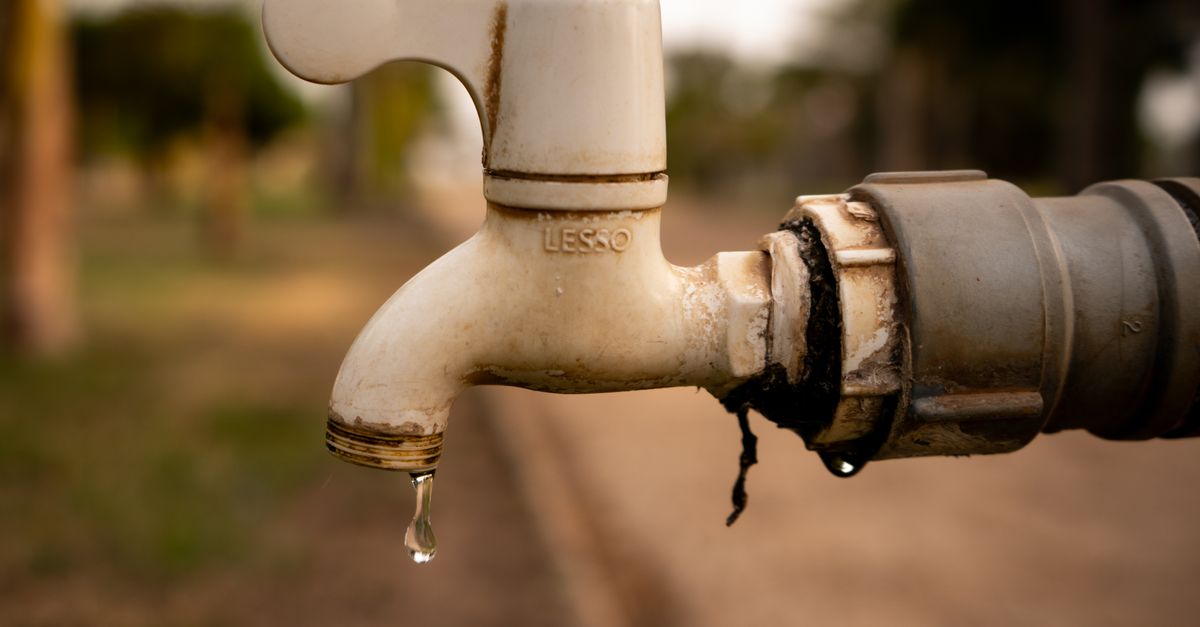
Every spring, as the weather warms and I eagerly anticipate firing up the grill and tending to my garden, I inevitably find myself staring at a dripping outdoor faucet. It’s a frustrating ritual for many homeowners, a small annoyance that hints at a much larger, more expensive problem brewing beneath the surface. I’ve seen countless clients spend hundreds, even thousands, on water damage repairs because they ignored a seemingly minor drip from their exterior spigot. The truth is, that persistent leak isn’t just wasting water; it’s a flashing red light signaling that your home’s plumbing suffered a brutal winter, and it’s crying out for attention.
In my experience as a DIY and renovation expert, the mistake I see most often is people simply tightening the handle or replacing a washer, only to have the leak return the following spring. What changed everything for me, and for the homeowners I’ve guided, was understanding the root causes of these annual leaks and applying proactive, rather than reactive, fixes. It’s not about patching; it’s about prevention. Ignoring it can lead to rotted subfloors, damaged foundations, and even mold growth in your walls. Let’s get to the bottom of why this happens and what actually works to ensure your outdoor faucet is leak-free year after year.
Key Takeaways
- Most annual outdoor faucet leaks stem from freeze damage to un-winterized or improperly installed frost-free spigots, not just worn washers.
- The critical first step for prevention is ensuring your spigot is a true ‘frost-free’ type and installed correctly with a downward slope.
- Regular inspection and proactive maintenance, including removing hoses in fall, are essential to prevent freeze-bursts.
- For persistent leaks, a full faucet replacement with a high-quality frost-free model is often more cost-effective than repeated temporary repairs.
The Real Culprit: Freeze Damage, Not Just Wear and Tear
When a client calls me about their outdoor faucet leaking every spring, my first question is always, “Is it a frost-free spigot, and how old is it?” More often than not, the leak isn’t just a worn-out washer from normal use. The vast majority of these annual leaks are a direct consequence of freeze damage from the previous winter. Even ‘frost-free’ faucets can fail if not properly installed or if they’re older and have internal weaknesses.
Here’s the breakdown: a true frost-free faucet is designed with a long stem that extends into your heated home, where the actual shut-off valve is located. This design keeps water out of the portion of the faucet exposed to freezing temperatures, preventing it from bursting. However, if a hose is left attached, water can get trapped in the body of the faucet, bypassing the frost-free mechanism and freezing. The expansion of this ice then cracks the pipe or damages the internal components, leading to a drip or torrent come spring. I once saw a seemingly minor crack in a plastic frost-free faucet body lead to over 300 gallons of water per day seeping into a basement wall. That’s a significant amount of water that can quickly cause structural damage and encourage black mold growth.
Old age also plays a role. Over ten or fifteen years, even the best frost-free faucets can develop hairline cracks, especially in the vacuum breaker or anti-siphon components, which are often made of plastic. These small, often invisible, stress fractures only reveal themselves under pressure, typically when you first turn the water back on in spring. My advice is to always assume freeze damage for any recurring spring leak, even if the faucet is ‘frost-free.’ This mindset shifts you from a temporary fix to a lasting solution.
Beyond the Hose: Overlooked Installation Flaws
While leaving a hose attached is the most common culprit for frost-free faucet failure, I’ve found that installation flaws are often the silent saboteurs. Many homeowners assume their frost-free spigot is foolproof, but its effectiveness relies heavily on proper installation. The most critical, yet often overlooked, detail is the slope. A frost-free faucet must be installed with a slight downward slope (about 1/4 inch per foot) towards the exterior. This ensures that any residual water inside the long stem drains completely out, leaving no water to freeze.
I’ve inspected countless homes where the faucet was installed perfectly level or, even worse, sloped inward. In these cases, even if you remove the hose, water can pool at the lowest point inside the faucet’s body, freeze, and cause a burst. This is a particularly insidious problem because it’s not visible without cutting into the wall. I always recommend checking the slope with a small level; if it’s not sloped correctly, you’re fighting a losing battle every winter. Fixing this might require a professional, but it’s far cheaper than repeated repairs or water damage remediation.
Another common flaw is the internal vacuum breaker. This component prevents contaminated outdoor water from siphoning back into your potable water supply. Many older or cheaper frost-free faucets use plastic vacuum breakers that are highly susceptible to freeze damage. A small crack here might only cause a minor drip, but it compromises the safety of your drinking water. Replacing just the vacuum breaker can be a temporary fix, but if the main stem is damaged or the slope is off, you’re merely delaying the inevitable. Always consider the faucet as an integrated system, not just individual parts.
The Proactive Approach: Winterization Secrets That Actually Work
The biggest secret to preventing annual leaks isn’t just installing a frost-free faucet; it’s actively managing it for winter. This is where most homeowners fall short. While a well-installed frost-free faucet handles most of the work, there are specific steps that differentiate the proactive homeowner from the one calling me every April.
Detach All Hoses and Attachments: This is non-negotiable. Every fall, before the first hard freeze, physically remove anything connected to your outdoor faucet. Sprinklers, timers, Y-splitters – everything. As mentioned, leaving a hose attached traps water in the faucet body, rendering the frost-free design useless. The water in the hose can’t drain, and the pressure from the ice expansion will blow out the faucet. I usually aim for mid-October in my region, but it depends on your local climate. Err on the side of caution.
Drain Internal Shut-Off Valves (If Applicable): Some older homes or certain plumbing configurations have an interior shut-off valve for the outdoor spigot, often located in the basement, crawl space, or utility room. Find this valve, turn it off, and then open the exterior faucet to drain any remaining water from the line. There will often be a small drain plug on the interior valve that you’ll need to open to fully clear the line. This is the absolute safest way to winterize and is foolproof against external freeze damage.
Inspect for Damage Annually: Before the first freeze and after the last thaw, take five minutes to inspect your outdoor faucets. Look for any visible cracks, especially where the pipe exits the wall or around the handle. Turn the water on gently in spring and watch for drips from the packing nut, the handle stem, or the vacuum breaker. Early detection of a small leak allows for repair or replacement before it becomes a crisis. A small drip in April could be a significant burst in January if left unaddressed.
I’ve found that even a well-meaning homeowner who follows some steps can miss a crucial detail. The key is consistency and understanding why each step is important. This proactive approach has saved my clients thousands in repair costs and countless headaches.
Beyond Temporary Fixes: When to Replace the Faucet
There’s a natural inclination to try and patch a leaking faucet. Replacing a washer, tightening a packing nut, or swapping out a plastic vacuum breaker seem like quick, cheap fixes. And sometimes, for a genuinely old, worn-out faucet that hasn’t experienced freeze damage, these might work. However, in my professional opinion, if your outdoor faucet leaks every single spring, it’s almost certainly due to freeze damage, and a temporary fix is just that: temporary. You’re better off investing in a full replacement.
Think of it this way: if your car engine throws a rod, you don’t just patch the hole in the block with epoxy. You replace the engine. A freeze-damaged faucet has likely experienced internal cracks or distortions that are difficult, if not impossible, to permanently seal with simple repairs. The metal has stretched, plastic components have micro-fractures, and the integrity of the unit is compromised. I once spent an hour trying to re-pack an old leaky spigot for a client, only for it to start dripping again two weeks later. The time and material cost for that temporary fix could have gone towards a new, high-quality faucet.
When replacement is necessary, I strongly recommend a brass-bodied frost-free spigot over plastic or cheaper metal versions. Brass is more durable, less prone to cracking from temperature fluctuations, and generally offers a longer lifespan. Look for models with an integrated anti-siphon/vacuum breaker that is also made of brass or a robust composite material. This upgrade, costing typically between $50-$150 for the faucet itself, often pays for itself within a year or two by preventing costly water waste and potential home damage. Don’t be penny-wise and pound-foolish when it comes to your home’s exterior plumbing.
The Cost of Neglect: Why a Drip Is More Than Just a Drip
It’s easy to dismiss a small drip from your outdoor faucet. “It’s just a little water,” you might think. “It’ll dry up.” But in my years of experience, I’ve seen firsthand how a seemingly insignificant drip can become a major financial drain and a structural nightmare. A single drip, left unchecked, can waste hundreds of gallons of water each month, adding a surprising amount to your utility bill. For example, a slow drip can waste 10-20 gallons a day, which is 300-600 gallons a month. That’s real money literally going down the drain.
Beyond the water bill, the real hidden cost is the potential for significant property damage. That water has to go somewhere. If your faucet is leaking where it meets the house, water can seep into your exterior wall cavity. This creates a perfect breeding ground for mold and mildew, which can lead to expensive remediation (often thousands of dollars) and potential health issues. It can also cause wood rot in your wall studs, sheathing, and subfloor, compromising the structural integrity of your home. I’ve had to tear out entire sections of walls, replace insulation, and treat for mold, all stemming from a faucet leak that was ignored for too long. The repair bill for the secondary damage almost always dwarfs the cost of simply replacing the faulty faucet.
Furthermore, if the leak is substantial and goes unnoticed, it can saturate the ground around your foundation. Over time, this constant moisture can lead to foundation issues, including cracks and settling, which are among the most expensive home repairs imaginable. A leaking faucet is not just a nuisance; it’s a direct threat to the health and value of your home. Addressing it proactively, rather than waiting for a catastrophe, is always the smarter, more financially responsible choice.
The Smart Upgrade: Considering Your Faucet Options
When it comes to outdoor faucets, not all are created equal. If you’re replacing a perpetually leaky spigot, it’s an opportunity to upgrade and ensure long-term peace of mind. Beyond just brass construction, consider these features for a smarter, more durable installation:
Integrated Anti-Siphon/Vacuum Breaker: While code often requires these, some older or cheaper models have external, plastic ones that are prone to failure. Look for a faucet where this mechanism is built directly into the brass body. It’s more robust and less susceptible to external damage or freezing.
Quarter-Turn Ball Valve Design: Traditional compression faucets require multiple turns to open and close, leading to faster wear on internal washers. A quarter-turn ball valve offers a much smoother operation, greater durability, and is less likely to leak from the stem or packing nut. The internal ball mechanism is also less prone to seizing up over time.
Higher Flow Rate (If Needed): If you’re frequently filling large buckets or connecting to a high-volume irrigation system, consider a faucet designed for a higher flow rate. This isn’t just about speed; it often indicates more robust internal piping and valve components that can handle greater demand without stress.
Insulated Faucet Covers: Even with the best frost-free faucet, a severe cold snap can test its limits. For added protection, especially in extremely cold climates, invest in a simple, inexpensive insulated faucet cover each winter. This creates an air pocket that acts as an extra layer of defense against freezing temperatures, adding a layer of protection to your proactive winterization routine.
By choosing a quality faucet with these features, you’re not just replacing a broken part; you’re investing in a resilient plumbing system that will stand up to the elements and save you money and stress for years to come. This is the difference between simply fixing a problem and truly solving it.
Frequently Asked Questions
Q1: My outdoor faucet is labeled ‘frost-free,’ but it still leaks every spring. Why?
A1: Even frost-free faucets can leak if they’re not installed correctly (e.g., without a slight downward slope for drainage), if a hose or attachment is left on during freezing temperatures (trapping water inside the faucet body), or if the internal components (like the vacuum breaker) have sustained freeze damage or simply worn out over time. Older faucets are more susceptible to these issues, as small cracks can develop internally.
Q2: Can I just replace the washer or packing nut if my outdoor faucet is leaking?
A2: If the leak is a slow drip from the handle area or spout and you’re certain there was no freeze damage, replacing a washer or tightening the packing nut might offer a temporary fix. However, if the leak recurs every spring, it’s highly indicative of freeze damage (internal cracks or distortions) that a simple washer replacement won’t address. In such cases, a full faucet replacement is generally the more reliable and cost-effective long-term solution.
Q3: How do I properly winterize my outdoor faucet to prevent leaks?
A3: The most crucial step is to detach all hoses and attachments from the faucet before the first hard freeze. If your home has an interior shut-off valve for the outdoor spigot (usually in a basement or utility room), turn it off and then open the exterior faucet to drain any remaining water from the line. Some interior valves also have a small drain cap you can open to ensure the line is fully cleared. These two steps combined offer the best protection.
Q4: What type of outdoor faucet should I replace it with for the best prevention?
A4: I highly recommend replacing it with a durable, brass-bodied frost-free spigot. Look for models with an integrated anti-siphon/vacuum breaker mechanism that is also made of brass or a robust composite. A quarter-turn ball valve design is also more durable than traditional compression faucets. These features contribute to a longer lifespan and better resistance to freeze damage.
Q5: How much damage can a small drip from an outdoor faucet really cause?
A5: A seemingly small drip can cause significant damage over time. It can waste hundreds of gallons of water per month, increasing your utility bill. More critically, if the leak is against your house, it can lead to water seeping into wall cavities, causing wood rot, mold growth (which is expensive to remediate and a health hazard), and even contribute to foundation issues. A small drip is a warning sign that shouldn’t be ignored.
Conclusion
That annual spring leak from your outdoor faucet isn’t just a minor inconvenience; it’s a symptom of a deeper issue, almost always related to the punishing effects of winter. By understanding that freeze damage and improper installation are the primary culprits, you can move beyond frustrating temporary fixes. The real solution lies in a proactive approach: religiously detaching hoses in the fall, ensuring proper slope during installation, and considering a high-quality, brass-bodied frost-free replacement when repairs prove insufficient. Don’t let a small drip turn into a flooded basement or a compromised foundation. Invest a little time and thought now, and your outdoor plumbing will serve you reliably for many seasons to come.