You’ve just spent hours taping, prepping, and painting, only to step back and see it: streaks, roller marks, and uneven patches staring back at you. It’s a common scenario for many DIYers, a disheartening end to what should have been a rewarding project. You followed the instructions on the paint can, maybe even watched a few online videos, but your wall still looks less like a magazine spread and more like a poorly executed abstract painting. I’ve been there, staring at a freshly painted wall thinking, “Why does the professional’s work always look so much better?” The truth is, there are subtle but critical techniques that separate a truly flawless paint job from one that just looks finished. These aren’t complex, but they often go unmentioned in basic tutorials.
Key Takeaways
- Proper surface preparation and priming are non-negotiable foundations for a streak-free finish.
- The right tools, specifically a high-quality roller cover and brush, drastically reduce streaks and improve paint application.
- Mastering load, pressure, and overlap in your painting technique prevents common streaking and unevenness.
- Understanding paint dry times and working in manageable sections is crucial for smooth transitions and consistent results.
The Unsung Hero: Surface Preparation and Priming
Most DIY guides rush through surface preparation, giving it a quick nod before diving into the fun part: painting. This is a monumental mistake, and in my experience, it’s the root cause of at least 40% of all streaky paint jobs. Think of your wall as a canvas; if the canvas isn’t clean, smooth, and uniformly absorbent, your paint will never look its best. I once spent an entire Saturday painting a client’s living room, only to realize by midday that the previous homeowner had used a cheap, oily cleaner on the walls. No matter how perfectly I applied the paint, it was beading up and streaking in certain areas. We had to stop, clean everything with a degreaser, lightly sand, and then prime. It added an entire day to the job, but the final result was pristine. The lesson? Don’t skimp here.
What most people miss: It’s not just about wiping dust. It’s about creating a perfectly uniform surface for adhesion. Grease, old smoke residue, crayon marks, and even residual cleaning product can create ‘hot spots’ where paint doesn’t adhere evenly, leading to streaks or flashing. A simple wipe-down with a damp cloth isn’t enough. For any room, I recommend a thorough cleaning with a TSP (trisodium phosphate) substitute or a good all-purpose degreaser, followed by a rinse with clean water. Let it dry completely – and I mean completely – which can take several hours depending on humidity.
After cleaning, inspect the walls for imperfections. Small dings, nail holes, and cracks will telegraph right through your new paint. Fill these with spackle, sand them smooth, and then, critically, prime these patched areas. Spackle is far more porous than your drywall, and if you paint directly over it, those spots will absorb paint differently, creating dull, flat patches that stand out like a sore thumb. Even if you’re using a paint-and-primer-in-one product, spot priming patched areas with a dedicated primer is essential. For walls with significant color changes or unknown previous finishes, a full coat of quality primer will encapsulate old colors, block stains, and ensure your topcoat has a perfectly even surface to adhere to, significantly reducing the chances of streaks and blotchiness.
The Tools That Make (or Break) Your Finish
If you’re still reaching for the cheapest roller cover and brush combo at the hardware store, you’re setting yourself up for streaks. This might sound obvious, but the quality of your tools directly impacts the quality of your finish. I’ve seen countless enthusiastic DIYers invest in expensive paint, only to compromise their results with budget-bin tools. It’s like buying a high-performance sports car and filling it with cheap, low-octane fuel – you’re simply not going to get the performance you paid for.
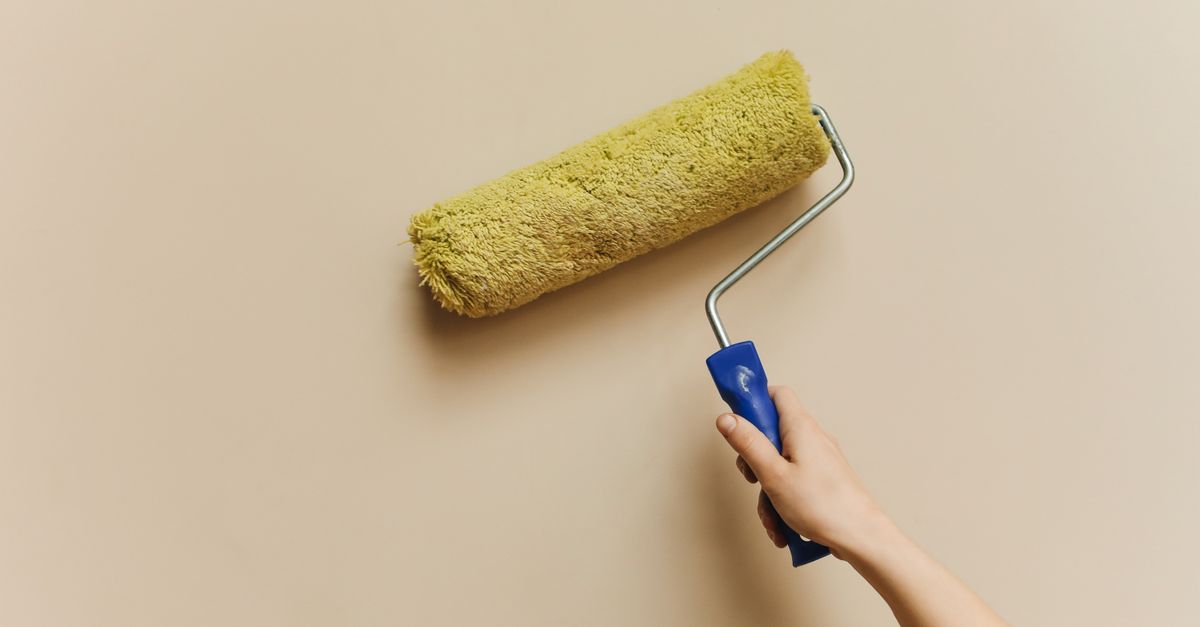
The pro secret: It’s all about the nap and the bristles. For roller covers, avoid anything labeled ‘economy’ or ‘basic.’ These shed fibers, hold less paint, and leave an inconsistent texture. Instead, invest in a good quality woven roller cover. For smooth to semi-smooth walls, a 3/8-inch nap is usually ideal. It holds enough paint without overloading and provides a smooth finish. For textured walls, you might go up to 1/2-inch or 3/4-inch. Synthetic roller covers made of microfiber or polyester are excellent for latex paints, offering good pickup and release. Before using a new roller cover, wrap it in masking tape, sticky side out, and press firmly to remove any loose fibers. This simple step can save you from picking tiny fuzzies out of your wet paint.
For brushes, natural bristles are for oil-based paints, while synthetic (nylon/polyester) bristles are for latex/water-based paints. A good quality synthetic brush, typically a 2-inch or 2.5-inch angled sash brush, will have flagged tips (split ends) and hold its shape well. This allows for precise cutting-in along trim and ceilings without leaving heavy brush marks. Cheap brushes have stiff, blunt bristles that push paint around instead of laying it down smoothly, leading to visible brush strokes and uneven coverage. Clean your brushes and rollers thoroughly after each use; well-maintained tools will serve you for many projects and pay for themselves quickly.
Mastering Load, Pressure, and Overlap: The Holy Trinity of Smooth Painting
Here’s where the rubber meets the road – or rather, where the paint meets the wall. Even with perfect prep and tools, poor technique will guarantee a streaky outcome. Most DIYers either don’t load enough paint, press too hard, or fail to maintain a wet edge. I remember a particularly frustrating project where I was helping a friend paint his nursery. He was meticulously trying to stretch every roller load, pressing so hard that he was essentially squeegeeing the paint thin. The result was translucent, streaky patches that shimmered under the light. It’s a common misconception that more pressure means better coverage; it actually means less paint on the wall and more streaks.
Loading the roller: Your roller cover should be fully saturated, but not dripping. Dip the roller into the paint tray, roll it back and forth on the ribbed section until the paint is evenly distributed around the entire nap, and it’s no longer dripping. It should look ‘fat’ with paint. An underloaded roller will require more passes and lead to patchy coverage.
Applying with the right pressure: This is critical. You want to apply enough pressure to transfer the paint evenly from the roller to the wall, but not so much that you’re squeezing the paint out and flattening the nap. Imagine you’re trying to evenly distribute a thin layer of butter on toast; too much pressure scrapes it off, too little leaves gaps. Let the roller do the work. A properly loaded roller with light-to-moderate pressure will lay down an even coat. As the roller unloads, resist the urge to press harder. Instead, reload.
The ‘W’ or ‘M’ technique: Start by rolling a ‘W’ or ‘M’ pattern on the wall to distribute a good amount of paint over a 2-3 foot square area. Then, without lifting the roller, fill in the ‘W’ or ‘M’ with even, overlapping vertical strokes. Each subsequent stroke should overlap the previous one by about 50%. This ensures even coverage and blends the paint beautifully. Always finish your section with light, vertical strokes from ceiling to floor (or trim to trim) to smooth out any texture and ensure a uniform appearance. The goal is to always maintain a ‘wet edge,’ meaning you’re always rolling into paint that is still wet, allowing it to blend seamlessly. If the paint starts to dry before you overlap, you’ll get noticeable lap marks.
Time Management and Environmental Factors
Paint isn’t magic; it’s a chemical process, and it behaves predictably under certain conditions. Rushing the job or ignoring the environment you’re painting in will inevitably lead to streaks and a less-than-professional finish. I once made the mistake of trying to paint a hallway on a hot, windy day with all the windows open. The paint was literally drying on the roller before I could even get it onto the wall smoothly. Every stroke was a battle, and the final result was a nightmare of uneven texture and prominent lap marks. Understanding dry times and environmental factors is just as important as your technique.
Work in manageable sections: Instead of trying to paint an entire wall in one go, break it down. For most rooms, I recommend painting one wall at a time, or even half a wall if it’s a very large area. This allows you to maintain that crucial ‘wet edge.’ Start by cutting in with your brush along the ceiling and trim in a section that’s about 3-4 feet wide. Immediately after cutting in, use your roller to paint that same section, rolling right up to your wet brush lines. Don’t let your cut-in paint dry before you roll over it, or you’ll get a noticeable textural difference.
Respect dry times: Every paint can has recoat times listed – usually 2-4 hours for latex paint. Do not, under any circumstances, try to apply a second coat before the first coat is fully dry. Painting over tacky, partially dry paint will reactivate it, leading to lifting, smearing, and an impossibly streaky finish. Patience is a virtue in painting. If you’re unsure, err on the side of caution and wait an extra hour. Environmental factors like humidity and temperature play a huge role. High humidity makes paint dry slower, while very low humidity or high temperatures can make it dry too fast, making it hard to maintain a wet edge. Aim for moderate temperatures (65-75°F) and moderate humidity for ideal painting conditions. Avoid direct sunlight on the wall you’re painting, as this can cause the paint to dry too quickly.
Thinning paint (sparingly): If you’re working in very hot, dry conditions and your paint is drying too fast, you can very sparingly add a small amount of water (for latex paints) or appropriate thinner (for oil-based paints) – no more than about 5-10% by volume. This can extend the ‘open time’ of the paint, giving you more time to work. However, this should be a last resort and used with caution, as too much thinning can compromise the paint’s durability and coverage. Always follow the manufacturer’s recommendations.
Frequently Asked Questions
Q: My paint is streaky even after two coats. What went wrong?
A: This is often due to either insufficient surface preparation (uneven absorption, lack of primer), using the wrong roller nap, or inconsistent pressure during application. Make sure you’re using a quality primer, a suitable roller cover, and applying paint with light, even pressure, maintaining a wet edge.
Q: How can I fix existing streaks without repainting the entire wall?
A: For minor streaks, you might be able to lightly sand the raised areas (if the paint is fully cured) and then apply a very thin, even coat of paint over the affected area, feathering the edges. However, for prominent streaks or large areas, the most reliable fix is to lightly sand the entire wall with fine-grit sandpaper (220-grit), clean it thoroughly, and then apply another one or two full, even coats following the proper techniques outlined above.
Q: Should I use a paint extender like Floetrol?
A: Yes, absolutely! For latex paints, an additive like Floetrol can be a game-changer. It extends the ‘open time’ of the paint, allowing it to level out more smoothly and reducing brush and roller marks, especially in challenging environments like hot, dry rooms. Follow the product’s instructions carefully for the correct ratio.
Q: How do I avoid roller marks near the ceiling and trim?
A: This often happens when the cut-in paint (applied with a brush) dries before you roll the wall, creating a texture difference. The key is to cut in a manageable section (about 3-4 feet wide) and then immediately roll that section, overlapping your wet brush lines. Also, use a good quality angled sash brush for cutting in, loading it properly, and don’t press too hard, as this will leave heavy brush marks.
Q: Is it always necessary to prime before painting?
A: Not always, but often. You can sometimes skip priming if you’re painting over a clean, previously painted surface that’s the same or a similar color, using a high-quality paint-and-primer-in-one. However, always prime for significant color changes (especially going from dark to light), over patched areas, bare drywall, stains, or if you’re unsure of the previous finish. When in doubt, prime it out – it’s cheaper and easier to prime than to fix a streaky, uneven paint job.
Achieving a professional-looking paint job at home isn’t about magical talent; it’s about meticulous preparation, using the right tools, and understanding the subtle science of paint application. By focusing on quality prep work, investing in decent rollers and brushes, mastering your application technique, and respecting paint dry times, you’ll transform your results from frustratingly streaky to flawlessly smooth. Take your time, be patient, and enjoy the satisfaction of a beautifully painted room that truly enhances your home. Your next DIY paint project can, and should, look like it was done by a pro.