You’ve spent hours sanding, taping, and carefully applying paint to that old dresser or bedside table. You envision a smooth, factory-like finish, a piece that looks professionally redone. But as the paint dries, the dreaded streaks appear – brush marks, uneven sheen, areas where the color seems thin or inconsistent. It’s frustrating, disheartening, and a common complaint I hear from countless DIY enthusiasts. You followed the instructions, bought decent paint, and still, the results fall short of your vision. What went wrong?
In my years transforming countless pieces of furniture, from intricate antique vanities to modern minimalist sideboards, I’ve seen every mistake in the book – and made a fair few myself. The truth is, achieving that flawless, streak-free paint finish isn’t about expensive spray guns or industrial workshops. It’s about understanding the nuances of paint application, surface preparation, and the often-overlooked environmental factors that sabotage even the best intentions. It’s about knowing the small, precise steps that professionals swear by, but rarely share.
Most online tutorials rush through the ‘how-to’ without detailing the ‘why’ behind each step. They’ll tell you to sand, but not how to sand for optimal adhesion and smoothness. They’ll say to apply thin coats, but not how to achieve that thinness consistently without drips. This article will dive deep into those often-missed details, equipping you with the professional techniques that will elevate your DIY furniture paint jobs from amateur to artful. Forget the frustration; it’s time to create pieces you’re truly proud of.
Key Takeaways
- Proper surface preparation, including degreasing and meticulous sanding, is the non-negotiable foundation for a streak-free finish.
- The right primer, chosen for your specific furniture and paint type, is crucial for adhesion and preventing bleed-through.
- Strategic paint thinning and layering in multiple, ultra-thin coats is essential for an even color and smooth texture.
- Mastering brush and roller technique, including proper loading and stroke direction, eliminates visible streaks and lap marks.
- Environmental control, such as temperature and humidity, significantly impacts paint dry time and finish quality.
The Unseen Enemy: Inadequate Surface Preparation
When I first started out, I thought sanding was just about scuffing up the surface. Big mistake. The primary culprit behind most streaky, uneven paint jobs isn’t the paint itself, or even your technique, but what you don’t do before you even open the paint can. Proper surface preparation is the non-negotiable foundation for a professional finish, and most DIYers cut corners here, often unknowingly.
The biggest omission is thorough cleaning and degreasing. Think about an old dresser: it’s seen years of hand oils, dust, cleaning product residues, and possibly wax polishes. Paint simply cannot adhere properly to a greasy or waxy surface. It will slip, slide, and create uneven coverage, leading to streaks and patches where the paint is thin or pulls away. My go-to is a good quality degreaser or a 1:1 mix of denatured alcohol and water. Wipe down every surface with a clean cloth, then immediately follow with a second wipe with a clean, damp cloth to remove any degreaser residue. Let it dry completely. You’ll be amazed at the gunk that comes off, even from seemingly clean pieces.
Next comes the sanding – and this isn’t just about roughing it up. For existing painted or varnished surfaces, you need to create a uniform profile for the new paint to grip. I start with 120-grit sandpaper to remove any loose flakes, smooth out imperfections, and establish a good ‘tooth.’ The key is consistency. Don’t just hit the easy spots. Every inch of the surface needs uniform sanding pressure. After the initial pass, I always follow up with 220-grit sandpaper for a smoother finish. This progressive sanding eliminates deeper scratches from the coarser grit and leaves a perfectly smooth, ready-to-paint surface. Skip this, and those microscopic scratches will often become visible through thinner paint layers, contributing to a streaky appearance. Finally, and crucially, use a tack cloth or a damp microfiber cloth to remove every last speck of sanding dust. Dust is a streak’s best friend – it sticks to wet paint, creating bumps and lines that are impossible to hide.
The Primer Paradox: Choosing the Right Foundation (And Not Skipping It)
Many DIYers view primer as an optional extra, or simply grab the cheapest can. This is the primer paradox: what seems like an extra step or expense is, in fact, the most effective way to save time, paint, and prevent streaks in the long run. The wrong primer, or no primer at all, is a guaranteed recipe for a streaky, blotchy finish, especially with color changes or challenging surfaces.
First, never skip primer if you’re painting over a dark color with a light color, if you’re painting raw wood, or if the existing finish is glossy. Primer provides a consistent, neutral base that allows your topcoat to achieve its true color in fewer coats. Without it, you’ll be applying layer after layer of topcoat, desperately trying to achieve coverage, which inevitably leads to thick, uneven, and streaky results. I once spent an entire afternoon trying to cover dark mahogany with a light gray without primer, believing I could just ‘power through’ with extra paint. It was a streaky, frustrating mess that ultimately required sanding back and starting over with primer. Lesson learned.
Second, choose the right primer. Not all primers are created equal. For raw wood, especially knotty pine or oak, an oil-based or shellac-based primer is essential. These primers block tannins and sap from bleeding through your topcoat, preventing ugly yellow or brown streaks that appear weeks later. If you’re going over a previously painted piece with an unknown finish, a high-adhesion primer (often water-based or acrylic-urethane) is your best bet. These are formulated to stick to slick surfaces where regular primers would fail. For general purpose, a good quality universal primer will usually do the trick, but always consider the specific challenges of your project. Investing in the correct primer isn’t just about better adhesion; it’s about giving your topcoat a perfectly uniform, non-absorbent canvas, making streak-free application infinitely easier.
The Art of Thin Coats: Dilution and Layering Secrets
This is perhaps the biggest secret to a professional, streak-free finish: applying multiple, ultra-thin coats, rather than fewer thick ones. Most DIYers try to achieve full coverage in one or two coats, leading to heavy, uneven application, drips, and visible brush or roller marks. Think of it like a professional spray-paint job – it’s built up in almost imperceptible layers.
The key often lies in strategic paint thinning. Most latex or acrylic paints, even those labeled ‘self-leveling,’ benefit from a small amount of thinning. For latex/acrylic paints, I typically add 5-10% water or a paint conditioner (like Floetrol) to the paint. Don’t just dump it in; add a small amount, mix thoroughly, and test on a scrap piece. The goal is to reduce the paint’s viscosity just enough so it flows smoothly off your brush or roller without feeling watery. This allows the paint to self-level more effectively, minimizing brush strokes and roller texture. For oil-based paints, use mineral spirits sparingly for thinning, again, no more than 5-10%. This step alone can dramatically reduce streaking by making the paint easier to spread evenly.
Once your paint is thinned, the layering begins. My rule of thumb is 3-4 very thin coats, rather than 1-2 thick ones. The first coat should look almost translucent in places. It’s a ‘grip’ coat, not a coverage coat. Allow adequate drying time between coats – this is crucial. Rushing to apply the next coat before the previous one is fully dry is another common cause of streaks, as the wet topcoat can reactivate and pull up the partially dry undercoat. My secret weapon for ultimate smoothness between coats? A very light pass with 400-grit sandpaper or a superfine sanding sponge after the second coat, and again after the third (if needed). This knocks down any tiny imperfections or dust nibs, creating an incredibly smooth canvas for the final coat. Always clean thoroughly with a tack cloth after sanding between coats. This meticulous layering and light sanding creates a depth of finish and an unparalleled smoothness that simply cannot be achieved with thick, rushed coats.
Master the Tools: Brush and Roller Technique
Even with perfect prep and thinned paint, poor application technique can still leave you with streaks. The way you load your tools and apply paint directly impacts the final finish. This is where the ‘feel’ of painting comes into play, and it’s something you develop with practice, but also by understanding some core principles.
For brushes, the biggest mistake is overloading. Dipping the brush halfway up the bristles might seem efficient, but it leads to drips, heavy edges, and uneven paint distribution. I only dip the brush about 1/3 to 1/2 of the way into the paint. Tap off excess on the side of the can – don’t wipe it on the rim, which just pushes paint deep into the bristles and makes cleaning harder. When applying, use long, even strokes, always working in the direction of the wood grain or the longest dimension of the surface. Maintain consistent pressure. Overlapping strokes by about 50% helps blend wet edges. The final stroke should be a light, almost ‘feathering’ pass to smooth out any brush marks, without reloading the brush. Think of it as gently ‘tipping off’ the surface.
Rollers are excellent for large, flat surfaces, but they can still leave streaks or a ‘stippled’ texture if used incorrectly. The choice of roller cover is paramount: a high-quality, short-nap (1/4 to 3/8 inch) microfiber roller is ideal for a smooth finish on furniture. Foam rollers can work too, but I find microfiber gives a more consistent result. Just like with brushes, don’t overload the roller. Roll it evenly in the paint tray, ensuring the entire nap is saturated but not dripping. Apply paint in a ‘W’ or ‘M’ pattern, then fill in the pattern with straight, overlapping strokes. Crucially, as the roller starts to run out of paint, use lighter pressure for your final passes over the entire section. This ‘dry rolling’ helps smooth out any heavier areas and minimizes roller marks. Avoid pressing down hard; let the roller do the work. And never start rolling in the middle of a dry area – always work from wet to wet, maintaining a wet edge to prevent lap marks and streaks.
The Climate Conundrum: Temperature and Humidity
This is the invisible factor that often derails an otherwise perfect paint job. You can do everything right – prep, primer, thin coats, great technique – but if your environment isn’t cooperating, streaks, drips, and an uneven finish can still appear. Paint is highly sensitive to temperature and humidity, impacting its dry time, flow, and ability to self-level.
Painting in overly hot or dry conditions is a common problem. The paint dries too quickly, sometimes literally drying as you’re applying it. This rapid drying prevents the paint from self-leveling, leaving harsh brush strokes, roller marks, and visible lap lines where wet paint meets already drying paint. It also makes it nearly impossible to maintain a ‘wet edge,’ which is crucial for blending. Conversely, painting in very cold or humid conditions can prolong drying times excessively. This might seem good for self-leveling, but it increases the risk of dust and lint settling into the wet paint, and can lead to sagging or ‘orange peel’ texture as the paint struggles to cure properly. It can also cause paint to dry unevenly, resulting in a splotchy, streaky finish.
My ideal painting environment is between 65-75°F (18-24°C) with moderate humidity (around 50-70%). If you’re outside this range, try to adjust your conditions. Use a fan (not directly on the wet surface, but to circulate air), or even a dehumidifier or humidifier. In very hot, dry conditions, I’ll sometimes lightly mist the air around my workspace (not the furniture itself) to slightly increase humidity, or add a paint extender (like Floetrol) to my paint, which slows down drying. The difference this makes is profound. Controlling your environment allows the paint to behave as it’s designed to, giving it ample time to flow out and achieve that smooth, streak-free surface you’re aiming for.
Frequently Asked Questions
Q: My paint job has tiny bubbles. What causes this, and how can I fix it?
A: Tiny bubbles, often called ‘foaming,’ are typically caused by shaking the paint can instead of stirring it, overloading your roller or brush, or applying paint too quickly. To fix existing bubbles, you may need to lightly sand the affected area with fine-grit sandpaper (400-grit), clean, and reapply a very thin coat. To prevent it, stir paint gently, don’t overload tools, and use a high-quality, short-nap roller cover. Adding a paint conditioner can also help reduce foaming.
Q: How do I prevent paint from dripping on vertical surfaces?
A: Drips are almost always a result of applying too much paint at once. The key is thin coats. Load your brush or roller minimally, and apply just enough paint to cover the surface lightly. Work from top to bottom, smoothing out any excess as you go. If a drip starts, gently brush it out immediately with a lightly loaded brush, blending it into the surrounding wet paint. If it dries, you’ll need to sand it down completely and repaint that section.
Q: Can I use spray paint for a streak-free finish instead of brushing/rolling?
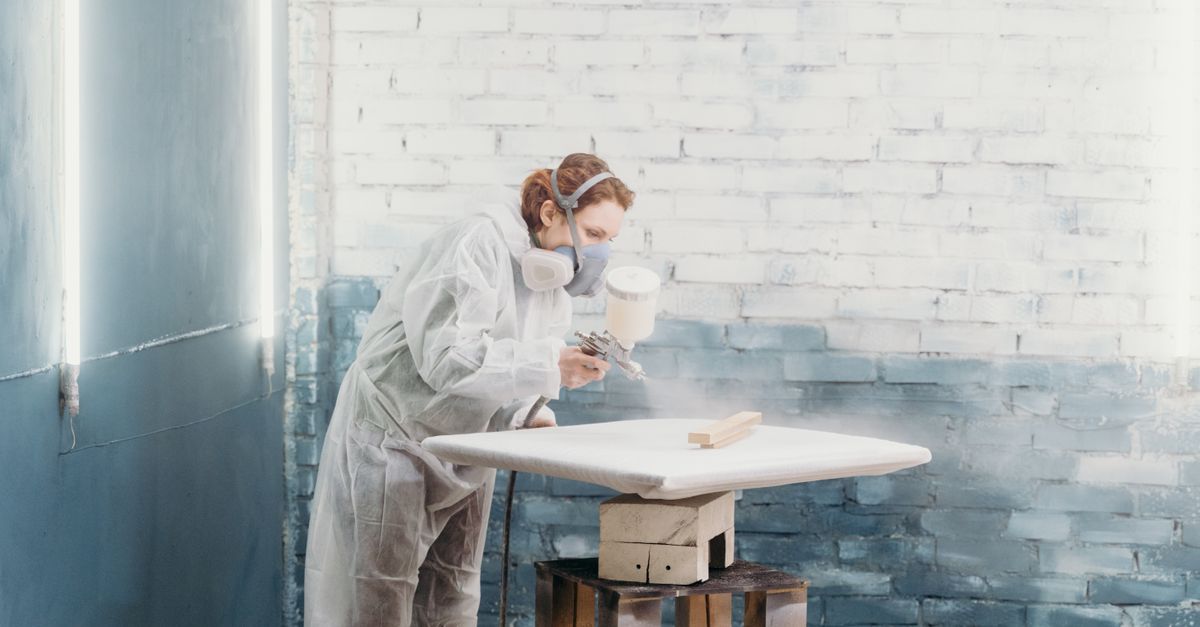
A: Spray paint can definitely achieve a smooth, streak-free finish, often with less effort if applied correctly. However, it comes with its own learning curve. The main challenges are achieving consistent coverage without runs or sags, and dealing with overspray. If using aerosol cans, practice on scrap, maintain a consistent distance (usually 8-12 inches), and use sweeping, overlapping motions. For sprayers, ensure proper paint thinning and nozzle settings. Surface prep and primer are still critical for spray paint, just as they are for brushing.
Q: My final coat still shows faint brush marks. What can I do?
A: Faint brush marks, even after taking precautions, can sometimes happen, especially if you’re using a brush for the final coat. First, ensure your paint is adequately thinned with a paint conditioner. Second, try a high-quality synthetic brush designed for smooth finishes, and ‘tip off’ your final strokes with very light pressure. For an almost glass-like finish, after the paint has fully cured (often 7-10 days), you can gently wet-sand the surface with very fine grit sandpaper (e.g., 2000-grit) and then buff it with a rubbing compound, followed by a polishing compound. This is a more advanced technique but yields exceptional results.
Q: How long should I wait between coats of paint?
A: Always defer to the manufacturer’s recommendations on the paint can. Generally, for latex/acrylic paints, it’s 2-4 hours, and for oil-based paints, it can be 6-24 hours. However, this is a minimum. If conditions are humid or cool, or if you’ve thinned your paint, allow extra time. The paint should feel completely dry to the touch, and you shouldn’t be able to easily indent it with your fingernail. Rushing this step is a common cause of streaks and adhesion problems.
Conclusion
Achieving that coveted professional, streak-free paint job on your DIY furniture isn’t some elusive art reserved for experts. It’s a craft built on meticulous preparation, informed material choices, and thoughtful application. By understanding the crucial role of thorough degreasing and sanding, selecting the right primer for your specific project, embracing the power of thin, layered coats, mastering your brush and roller techniques, and respecting the impact of your environment, you’ll transcend the common pitfalls that leave most DIYers frustrated.
These aren’t just tips; they’re the foundational principles that transformed my own projects and countless others. The next time you embark on a furniture painting adventure, remember that every step, no matter how small, contributes to the final masterpiece. Take your time, apply these pro techniques, and prepare to be amazed at the flawless, factory-like finish you can achieve right in your own home. Your next project isn’t just a painted piece of furniture; it’s a testament to your newfound skill and attention to detail. So, grab that sandpaper, thin your paint, and go create something beautiful!