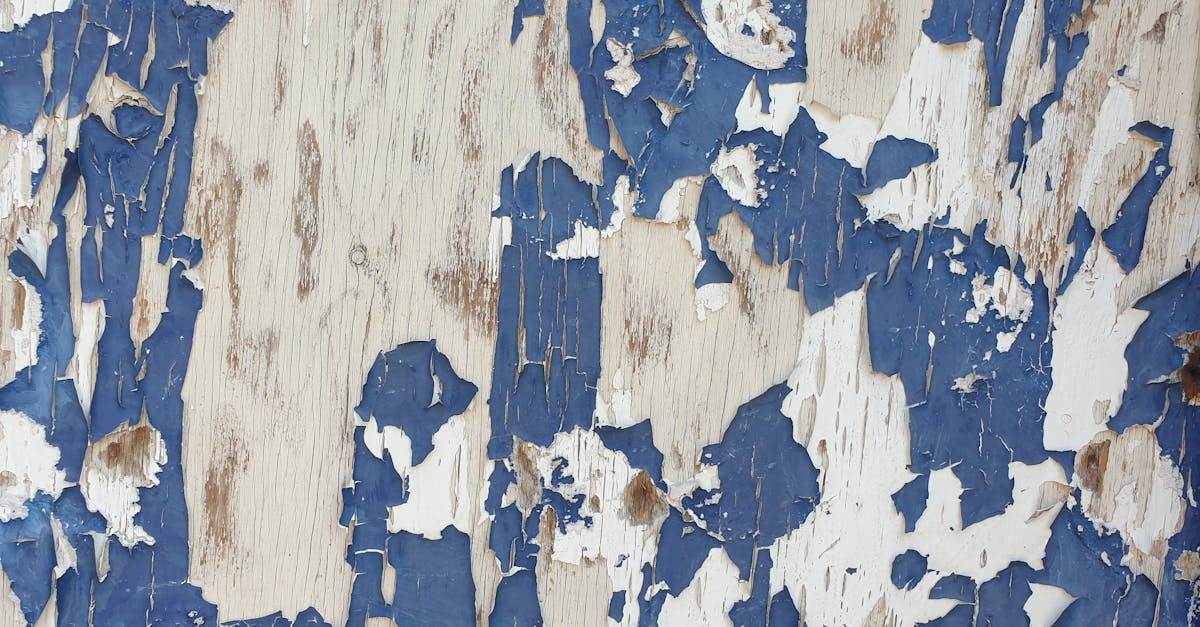
You’ve spent hours sanding, painting, and painstakingly transforming an old dresser or coffee table. You stand back, admiring your handiwork, imagining years of beautiful service. Then, just a few weeks or months later, the unthinkable happens: a chip here, a peel there. Soon, your beautiful DIY furniture makeover looks like a project gone wrong, not a triumph. If this sounds painfully familiar, you’re not alone. I’ve seen countless clients bring me pieces they’ve attempted to revive, only for the finish to fail prematurely. The frustration is palpable, and the common thread is almost always a few crucial missteps in the preparation and application process that most DIY guides completely overlook.
In my years of renovating furniture, I’ve learned that a lasting finish isn’t about expensive paint or fancy brushes; it’s about understanding the science behind adhesion and durability. What often looks like a paint problem is almost always a surface prep problem, or a fundamental misunderstanding of how different materials interact. You’re not just painting a piece of furniture; you’re creating a new surface that needs to withstand daily wear and tear. Without the right foundation, even the toughest topcoat is doomed to fail.
Key Takeaways
- Thorough, correct surface preparation is 80% of a successful, durable furniture finish, not just a suggestion.
- Choosing the right primer for your specific material and paint type is critical for adhesion and preventing bleed-through.
- Applying paint in thin, even coats and allowing adequate dry time between layers is essential for preventing peeling and chipping.
- Always seal your finished piece with an appropriate topcoat to protect it from daily wear and tear and moisture.
The Fatal Flaw: Inadequate Surface Preparation Isn’t Optional, It’s Everything
When I survey a client’s chipped furniture, the very first thing I mentally check is the prep work. Almost without exception, the root cause of paint failure is inadequate surface preparation. Think of it like building a house: you wouldn’t pour a foundation on unstable ground and expect the house to stand for decades. The same principle applies to paint. The paint needs something to ‘grab onto.’
Most people think sanding is just about roughing up the surface. While that’s part of it, it’s also about creating a clean, uniform canvas. Neglecting to thoroughly clean and de-grease the surface is a colossal mistake. Furniture, especially older pieces, accumulates layers of dirt, grime, body oils, silicone-based polishes, and even wax. Paint will not adhere properly to any of these contaminants. It will simply sit on top, forming a weak bond that will eventually chip or peel with even minor contact. I’ve seen countless projects where the user skipped the de-greaser, or used a cleaner that left a residue, only to have the paint slough off like a bad sunburn.
My process: I start with a thorough cleaning using a dedicated de-greaser like TSP (trisodium phosphate) substitute or a strong, non-residue cleaner like Zep Heavy-Duty Degreaser. For wood, I’ll often follow up with mineral spirits to remove any stubborn wax or polish. This isn’t a quick wipe-down; it’s a meticulous scrubbing, followed by rinsing with clean water and allowing it to dry completely. For sanding, the goal is not always to remove all existing finish, but to create a ‘tooth’ for the primer/paint. I typically start with 150-grit sandpaper to scuff the surface thoroughly, then move to 220-grit for a smoother finish if I’m aiming for a very sleek look. The dust created must be completely removed – I use a shop vac, then tack cloths, and sometimes even a damp cloth followed by dry wiping.
The Primer Predicament: Why One Size Does NOT Fit All
Ah, primer. The unsung hero that often gets dismissed as an unnecessary extra step. This is another critical juncture where DIY projects go awry. Many believe any primer will do, or that if they’re using a ‘paint and primer in one’ product, they can skip dedicated priming. This is a dangerous misconception.
Different primers are formulated for different substrates and different paints. For example, if you’re painting over slick laminate, melamine, or old oil-based paint, you need an adhesion-promoting primer designed to stick to non-porous surfaces. General-purpose primers will fail here, leading to chipping because the primer itself couldn’t bond adequately.
Then there’s the notorious ‘bleed-through.’ If you’re painting over old wood furniture, especially mahogany, cherry, or pieces with water stains, tannin bleed is a huge problem. Tannins in the wood will seep through water-based paints, creating unsightly yellow or pink stains. A standard primer won’t block these. You need a shellac-based primer (like Zinsser B-I-N) or a good oil-based stain-blocking primer. I’ve seen too many hopeful white dressers turn into splotchy yellow nightmares because the wrong primer was used. The ‘paint and primer in one’ products are usually fine for previously painted, well-adhered surfaces, but they rarely have the specialized adhesion or stain-blocking properties of dedicated primers.
My primer rule: I always use a primer. For most wood furniture, especially if I suspect bleed-through or want maximum adhesion, I reach for Zinsser B-I-N Shellac-Based Primer. It dries incredibly fast and offers unparalleled stain blocking and adhesion. For slick surfaces or plastics, I use an acrylic bonding primer like Zinsser Bulls Eye 1-2-3. Apply two thin coats of primer, allowing each to dry fully. Lightly sand with 220-grit between primer coats if needed for smoothness, and always clean off dust.
The Thick Coat Catastrophe: Patience is a Virtue, Especially with Paint
We all want instant gratification, especially after hours of prep. It’s tempting to lay down a thick coat of paint to get to the finish line faster. This is another major cause of peeling, cracking, and a generally unprofessional finish. Thick coats of paint don’t dry evenly or thoroughly. The surface might feel dry to the touch, but the underlying layers remain wet, trapping solvents and preventing proper curing.
When a thick coat eventually tries to cure, it can shrink unevenly, leading to cracking or ‘alligatoring.’ More commonly, because the paint hasn’t properly bonded and dried all the way through, it remains soft and susceptible to dings and chips. When the piece experiences even minor impact, the entire thick, soft layer can lift away. Thin coats, on the other hand, dry much faster and more thoroughly, allowing each layer to bond properly to the one beneath it, building a strong, cohesive film.
Another aspect of patience is respecting the ‘recoat window.’ Every paint has a recommended recoat time on the can. Don’t rush it. Applying a second coat too soon can reactivate the solvents in the first coat, leading to brush marks, uneven texture, or even lifting the previous layer. Conversely, waiting too long can mean the previous coat has cured so much that the next coat doesn’t get optimal adhesion. Stick to the manufacturer’s recommendations.
My application method: I always apply paint in multiple thin coats, usually 2-3 for good coverage, sometimes more for lighter colors over dark bases. I use a high-quality synthetic brush (like a Purdy Clearcut Elite) or a small foam roller for smoother surfaces. I aim for even coverage, making sure to avoid drips and heavy spots. And I always, always wait the recommended dry time between coats – sometimes even longer if the humidity is high. A light sand with 320-grit sandpaper between coats can create an incredibly smooth, professional finish, just remember to thoroughly de-dust.
Skipping the Sealer: Exposing Your Hard Work to the Elements
So you’ve cleaned, primed, and painted your piece beautifully. You might think you’re done. Many DIYers do, and this is where another common failure point emerges: skipping the topcoat or sealer. Unless you’ve used a highly durable, self-sealing paint specifically designed for high-traffic furniture (and even then, I’m often skeptical), your painted surface needs protection.
Paint, especially chalk paint or standard latex paint, is not inherently designed to withstand the constant abrasion, moisture, and daily wear and tear that furniture experiences. Without a protective topcoat, your meticulous paint job is exposed. Spills will penetrate and stain, objects will scratch, and impacts will chip away at the unprotected surface. This is why you see paint flaking off table tops or drawer fronts almost immediately.
Topcoats, whether polycrylic, polyurethane, or furniture wax, create a durable barrier. They act as a sacrificial layer that protects the paint underneath. Polycrylic is generally my go-to for painted furniture as it’s water-based, non-yellowing, and dries quickly. Polyurethane (oil-based) is incredibly durable but can yellow over time, making it less ideal for white or very light colors.
My sealing strategy: For almost all painted furniture, I apply 2-3 thin coats of a good quality water-based polycrylic (like Minwax Polycrylic) using a foam brush or sprayer. Again, thin coats are key, with light sanding (400-grit) between coats after proper dry time for an ultra-smooth finish. For pieces that will see heavy use, like a dining table, I might opt for an even more durable clear coat like a water-based polyurethane, understanding it might have a slightly warmer tone. For chalk paint, a good furniture wax applied in thin layers and buffed, offers protection and a beautiful finish, but it does require reapplication every so often and isn’t as robust against moisture as polycrylic.
The Environmental Elephant: Temperature and Humidity Matter More Than You Think
This is often the silent saboteur of many DIY projects. Most people paint in whatever conditions they have available – a garage in winter, a patio in summer – without considering how temperature and humidity affect paint adhesion, drying, and curing. Extreme conditions can wreak havoc on your finish.
Painting in very cold temperatures (below 50°F / 10°C) slows down the drying and curing process significantly. The paint might feel dry, but the film won’t form properly, leading to a brittle, weak finish that chips easily. Conversely, painting in very hot, dry conditions (above 90°F / 32°C) can cause the paint to dry too quickly on the surface, trapping solvents underneath and leading to cracking or poor adhesion. It can also make the paint difficult to work with, causing it to drag or leave brush marks.
High humidity is perhaps the worst offender for water-based paints. It dramatically extends drying and curing times. If you apply a second coat when the first coat is still ‘wet’ underneath due to humidity, you’re asking for trouble with adhesion and durability. The paint simply won’t bond as strongly, and can remain soft and vulnerable for much longer.
My environmental controls: I always try to paint in a well-ventilated area with temperatures between 65-75°F (18-24°C) and moderate humidity (around 50-60%). If I’m painting in my garage, I’ll use a space heater in winter or a fan and dehumidifier in summer to optimize conditions. I also pay close attention to the dew point. If the surface temperature is at or below the dew point, moisture can condense on the surface, preventing proper paint adhesion. This attention to environmental factors can genuinely be the difference between a project that lasts and one that fails quickly.
Frequently Asked Questions
Q: Can I paint over laminate furniture without sanding?
A: While some adhesion primers claim to allow this, I strongly advise against it for a durable finish. Laminate is incredibly slick. At a minimum, scuff sanding with 220-grit sandpaper creates microscopic scratches for the primer to grip, significantly improving adhesion. Clean thoroughly before and after sanding.
Q: How long should I wait before using my painted furniture?
A: This is crucial and often rushed. While paint might be ‘dry to the touch’ in a few hours, it takes much longer to fully ‘cure’ and reach its maximum hardness and durability. For most water-based paints and topcoats, I recommend waiting at least 7 days before light use, and 21-30 days for full, heavy use. Using the piece too soon can lead to nicks, scratches, and premature wear, as the paint film is still relatively soft.
Q: My paint is still tacky after days. What went wrong?
A: Persistent tackiness usually indicates a problem with drying or curing. Common culprits include painting in high humidity, applying coats too thickly, or using an incompatible primer/paint combination. Sometimes, mixing oil-based primer with water-based paint without proper dry time can also cause issues. Moving the piece to a warmer, less humid environment with good air circulation can help, but sometimes the only solution is to strip and restart.
Q: Do I really need to sand between paint coats?
A: Not strictly ‘needed’ for adhesion with many modern paints if you’re within the recoat window, but I highly recommend it for a truly professional, smooth finish. A light scuff with 320- or 400-grit sandpaper removes any dust nibs, brush marks, and provides a perfectly smooth surface for the next coat to glide onto. Always clean off the dust thoroughly after sanding.
Q: What’s the best paint for furniture durability?
A: For most DIYers, a good quality acrylic enamel paint or a mineral paint is a solid choice. These are typically water-based, easy to clean up, and offer good durability when properly primed and top-coated. Oil-based enamels are incredibly durable but have longer dry times, strong fumes, and can yellow. Chalk paint is popular for its matte finish but absolutely requires a durable topcoat (wax or polycrylic) for protection, as it’s quite porous and easily damaged without it.
If you’re tired of your DIY furniture makeovers failing, take heart. The good news is that these common pitfalls are entirely avoidable. The mistakes I see most often are not about a lack of skill, but a lack of understanding of the fundamentals. By committing to thorough surface preparation, selecting the right primer and topcoat, applying thin coats with patience, and controlling your environment, you will elevate your furniture painting projects from ‘homemade’ to truly professional. Start with your next project by meticulously following these steps, and you’ll be amazed at the difference in durability and finish quality. Your beautifully restored pieces will not only look fantastic but will also stand the test of time, truly transforming your home without constant touch-ups and re-dos.