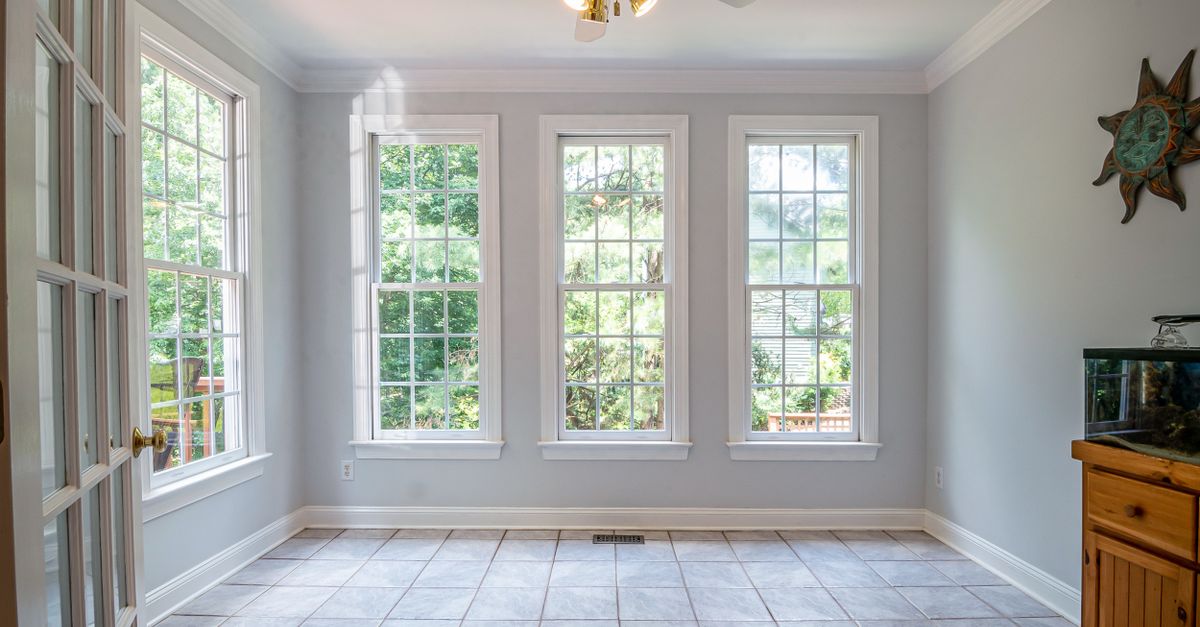
You’ve just done it. The sun is shining, a gentle breeze is rustling the leaves outside, and you’ve thrown open every window in your home, hoping for that invigorating rush of fresh air. You wait, you even step outside for a moment to ‘reset’ your senses, then walk back in, inhale deeply… and yet, that familiar, slightly stagnant feeling persists. Your home still feels… stuffy. It’s frustrating, isn’t it? You’ve done what all the generic advice tells you to do, but it just doesn’t deliver that clean, vibrant air quality you crave. In my experience, this isn’t just an illusion; it’s a very real problem rooted in how most of us approach home ventilation, or rather, fail to approach it holistically.
The mistake I see most often is treating fresh air as a passive event – simply opening a window and expecting magic. But our homes are complex ecosystems, and truly effective air exchange requires understanding the hidden forces at play, from air pressure dynamics to overlooked sources of indoor pollutants. What changed everything for me wasn’t just opening windows more often, but understanding how air moves through a space, what’s preventing it from moving efficiently, and what ‘fresh air’ truly means beyond just temperature. This isn’t about expensive HVAC overhauls; it’s about smart, strategic adjustments that make a tangible difference in how your home feels and breathes.
Key Takeaways
- True air exchange requires creating a pressure differential and a clear path for air to flow through your home, not just into it.
- Overlooked culprits like blocked vents, dense textiles, and even your furniture layout can trap stagnant air and prevent proper circulation.
- Indoor plants, strategic airflow management, and regular deep cleaning of ‘soft’ surfaces are more effective than simply opening windows.
- Invest in smart air quality monitors to pinpoint hidden issues like VOCs and CO2, guiding targeted improvements for healthier air.
The Myth of Passive Ventilation: Why Just Opening Windows Fails
I used to believe that simply opening a window was the ultimate solution for a stuffy room. It made intuitive sense, right? Fresh air comes in, stale air goes out. But what I quickly learned, often through trial and error in various homes, is that this approach often falls flat. The problem lies in what I call the ‘myth of passive ventilation.’ Most people assume that once a window is open, air will automatically flow freely, exchanging itself with the outdoor air. The reality is far more nuanced, especially in modern, well-sealed homes.
Consider this: if you only open one window in a room, what truly happens? The air might eddy a bit around the opening, creating a small zone of fresher air, but the bulk of the room’s air often remains largely untouched. Without a clear exit path or a significant pressure difference, that ‘fresh’ air just kind of hangs out near the opening. It’s like trying to fill a bathtub by opening the tap but forgetting to take out the plug – eventually, you just get a static pool, not a dynamic flow.
Real air exchange, the kind that genuinely refreshes a space, requires a cross-ventilation strategy. This means creating an inlet and an outlet. Imagine opening a window on one side of your home and a window on the opposite side, or even just another room. This creates a clear path, often a pressure differential, allowing air to be pulled through the house, pushing stagnant air out and drawing fresh air in. The optimal scenario involves having openings on different sides of the house to leverage natural wind currents. For instance, if the wind is coming from the west, opening a west-facing window and an east-facing window will create a much more effective current than two windows on the same side. I’ve seen homes where simply adjusting which two windows were open – sometimes just 6 inches on each – transformed the air quality in minutes, compared to wide-open windows all on one side. It’s about engineering the airflow, not just allowing it.
Your Home’s Hidden Air Traps: Overlooked Obstacles to Flow
Even with a smart cross-ventilation strategy, some homes just refuse to feel truly fresh. In my experience, this is usually due to a series of ‘hidden air traps’ that most people completely overlook. These are the silent saboteurs that block natural air movement and cling to stale odors and pollutants, making your home perpetually feel heavy and uninviting.
First, let’s talk about dense textiles and upholstered furniture. That plush, deep-pile rug in your living room? The velvet sofa? Those heavy drapes? While lovely for aesthetics and acoustics, they are absolute sponges for dust, allergens, pet dander, and odors. Unlike hard surfaces, which can be wiped clean, textiles absorb and hold onto microscopic particles, releasing them back into the air slowly. I once worked with a client whose living room always felt stuffy, despite regular cleaning. It wasn’t until we professionally deep-cleaned her enormous, well-loved sectional sofa and a particularly shaggy area rug that the air quality noticeably improved. The sheer volume of trapped particulates was astounding. Regular vacuuming is a start, but deep cleaning these items – and even rotating them outside for a few hours on a sunny, breezy day if possible – can make a huge difference.
Next, blocked vents and congested spaces. Every room has air vents, whether for heating, cooling, or return air. How often do you check if they’re blocked? A sofa pushed directly against a return air vent, a bookshelf over a supply vent, or even thick dust and pet hair accumulating on the vent grilles themselves can severely impede your HVAC system’s ability to circulate air efficiently. This creates dead zones where air becomes stagnant. I make it a point to check all vents twice a year during my seasonal home resets. A quick vacuum and ensuring a 6-12 inch clearance around them can dramatically improve air circulation. Similarly, overly crowded rooms with too much furniture or excessive clutter create physical barriers to airflow, turning your home into a maze where air struggles to move freely. A little strategic furniture rearrangement and decluttering can open up pathways and allow air to breathe.
Finally, your home’s ‘breath’ itself. Newer homes, built with energy efficiency in mind, are often incredibly well-sealed. This is great for keeping conditioned air in, but terrible for natural air exchange. Without intentional ventilation, these homes become very good at trapping indoor pollutants. Older homes might have more natural air leakage (drafts!), but can still suffer from poor overall exchange if not properly ventilated. Understanding your home’s unique airflow challenges is key. It’s rarely just one thing; usually, it’s a combination of these hidden traps conspiring to keep your air heavy.
The Overlooked Power of Air Pressure and Cross-Ventilation
The fundamental principle behind effective air exchange isn’t just ‘open a window’; it’s about manipulating air pressure to create a dynamic flow through your home. Most people miss this critical point. Simply opening all windows wide open in a single room, or even on one side of the house, often results in very little true air exchange because there isn’t a significant pressure differential to drive the stale air out and pull fresh air in.
Think of it like this: air moves from areas of high pressure to areas of low pressure. If your home’s interior pressure is relatively equal to the outdoor pressure, or if you only create an entry point without a clear exit, the air will just mosey around lazily. What you need to do is consciously create those high and low pressure zones. This is where strategic cross-ventilation comes in, and it’s far more effective than just ‘airing out’ a single room.
Here’s what I’ve found actually works:
- Opposing Openings are Key: The most basic but often overlooked strategy is to open windows on opposite sides of your house or rooms. Even if it’s just a few inches on each, this creates a channel for air to flow. The wind outside naturally creates pressure differences around your home. If you have an inlet on the windward side and an outlet on the leeward side, the air will be pushed through. I’ve transformed the air quality in my own home by opening a window on the north side and a door on the south side, even when the perceived breeze felt minimal. The movement of air was almost instantly noticeable.
- Leveraging Stack Effect (Chimney Effect): Warm air rises. This is a powerful natural ventilation force. If you have multiple stories, or even just high and low windows within a single room, you can harness this. Open lower windows on one side of your house (the cooler side if possible) and upper windows or skylights on the opposite side. The warmer, stale air near the ceiling will naturally rise and be drawn out of the upper openings, pulling cooler, fresh air in through the lower ones. This is particularly effective on cooler days or in the mornings/evenings.
- Fans as Air Movers, Not Just Air Coolers: Don’t just point a fan at yourself. Use it strategically to create airflow. Place a box fan in a window, blowing out to exhaust stale air, creating a negative pressure that pulls fresh air in through another open window. Or, place a fan inside a room, angled towards an open door or window, to push air towards the exit. Even a ceiling fan, set to rotate counter-clockwise in the summer, pushes air down and can aid in circulating air towards exits, while a clockwise rotation in winter pulls air up, preventing stuffiness without creating drafts.
It’s not just about getting some air in; it’s about orchestrating a complete air exchange. Once I understood how to manipulate these pressure differentials, the ‘stuffy house’ problem became a thing of the past for me. It’s about working with your home’s structure and natural physics, rather than against it.
Beyond Open Windows: Active Strategies for Indoor Air Quality
While strategic ventilation is paramount, real, lasting freshness in your home often requires active, ongoing strategies that go beyond just opening windows. Our modern indoor environments are rife with sources of pollutants and odors, and relying solely on outdoor air (which itself may not always be pristine) isn’t enough. Here’s where I recommend focusing your efforts for truly clean and vibrant air.
- Strategic Use of Air Purifiers: Not all air purifiers are created equal, and their effectiveness depends entirely on correct placement and maintenance. I’ve found that a high-quality HEPA air purifier is non-negotiable, especially for those with allergies or pets. But here’s the trick: don’t just stick it in a corner and forget it. Place it in the room you use most, or where the most pollutants originate (e.g., near pet beds, in the kitchen, or bedroom). Crucially, ensure it’s rated for the size of your room, and change those filters religiously. A dirty filter is worse than no filter at all. For targeted odor removal, look for models with activated carbon filters. For instance, in my home office, a compact HEPA filter runs continuously, dramatically reducing dust and VOCs from my electronics and papers.
- Embrace the Power of Indoor Plants (Wisely): While studies on their air-purifying power are mixed for large spaces, specific indoor plants can contribute positively to localized air quality and certainly boost the feeling of freshness. Snake plants, spider plants, peace lilies, and pothos are excellent choices. They naturally filter certain airborne toxins and release oxygen. But here’s the ‘wisely’ part: don’t overwater them, as damp soil can become a breeding ground for mold and fungus, actually detracting from air quality. A moderate collection of healthy plants, not an indoor jungle, is the goal. They are living decor that contributes to a more breathable environment.
- Deep Clean Your ‘Soft’ Surfaces Regularly: As I mentioned earlier, textiles are air traps. Beyond professional deep cleaning every 1-2 years, you need to maintain them regularly. This means more than just a quick vacuum. Use a vacuum with a HEPA filter (a must-have!) and attachments to thoroughly clean upholstered furniture, curtains, and even mattresses. For smaller items like throw pillows or blankets, take them outside on a sunny, breezy day and give them a good shake and airing. Odor-absorbing sprays with natural ingredients like baking soda can also help. I schedule a ‘textile refresh’ once a month for key items, and the difference in perceived freshness is significant.
- Control Humidity Levels: High humidity can make air feel heavy and stagnant, and it’s a breeding ground for mold and mildew, which are major contributors to poor indoor air quality and musty smells. A simple hygrometer (an inexpensive device) can tell you your home’s humidity level. Aim for 30-50%. In humid climates or seasons, a dehumidifier is a game-changer. It not only removes moisture but often has an air filtering component, making the air feel lighter and cleaner. Conversely, in very dry climates, a humidifier might be necessary, but use distilled water and clean it frequently to prevent mineral and bacterial buildup.
By layering these active strategies with smart ventilation, you’re not just moving air around; you’re actively cleaning, refreshing, and optimizing your home’s entire atmosphere. This holistic approach is what truly creates that lasting sense of fresh, breathable air.
Pinpointing the Invisible: Smart Tech for Air Quality
One of the biggest frustrations with a stuffy home is that the culprits are often invisible. You can’t see high CO2 levels, volatile organic compounds (VOCs) from cleaning products, or microscopic mold spores. This is where smart air quality monitors have become an absolute game-changer in my personal approach to home wellness. They take the guesswork out of air quality, providing data that guides precise, effective solutions.
Initially, I thought these devices were overkill. But after getting one, I realized how much I was missing. It’s like trying to manage your finances without a budget – you might feel like you’re doing okay, but you don’t know the real picture. Here’s why I advocate for them and how they empower you to pinpoint and solve hidden air issues:
- Unmasking CO2 Levels: We often associate stuffiness with a lack of oxygen, but it’s more accurately linked to elevated carbon dioxide levels. When people breathe in an enclosed space, CO2 accumulates. A reading above 1000 ppm (parts per million) often indicates poor ventilation and can lead to drowsiness, headaches, and that undeniable ‘stuffiness.’ My monitor revealed that my bedroom, even with a window slightly ajar, would hit 1200-1500 ppm overnight. This immediately prompted me to adjust my overnight ventilation strategy (e.g., ensuring a cross-breeze with a slightly open door). Knowing the number allowed me to target the problem effectively.
- Detecting VOCs (Volatile Organic Compounds): These are gases emitted from certain solids or liquids, including paints, varnishes, cleaning supplies, air fresheners, new furniture, and even some craft materials. Many VOCs have no odor or a very faint one, but they can significantly impact indoor air quality and health. My monitor once spiked after I used a conventional all-purpose cleaner, prompting me to switch to natural alternatives. It also helped me identify off-gassing from a new piece of particleboard furniture, which I then aired out extensively in the garage before bringing it inside. Without the monitor, I would have been unknowingly breathing in those compounds.
- Humidity and Temperature Tracking: While simpler to detect, integrating these into a smart monitor provides a comprehensive picture. As I mentioned, high humidity fosters mold growth and makes air feel heavy. Tracking it allows you to deploy a dehumidifier proactively. Similarly, temperature fluctuations can impact comfort and perceived freshness. The data helps you understand the holistic environment.
- Particle Matter (PM2.5): This measures tiny airborne particles, often from outdoor pollution (wildfire smoke, car exhaust), cooking, or burning candles/incense. High PM2.5 can be particularly harmful for respiratory health. Seeing a spike after cooking bacon, for example, reinforces the need for proper range hood ventilation.
The real power of these monitors isn’t just seeing the numbers; it’s using them to inform your actions. You can test different ventilation strategies, identify polluting products, and confirm whether your air purifier is actually making a difference. Instead of just feeling stuffy, you have concrete data that tells you why and helps you solve it. This targeted approach is infinitely more effective than generic advice.
Conclusion: Your Breathable Home Awaits
The quest for a truly fresh and breathable home can feel like chasing an elusive dream, especially when the simple act of opening windows doesn’t deliver the relief you expect. But as I’ve learned through years of experimenting and observing, lasting freshness isn’t about magical thinking; it’s about strategic action. It’s about moving beyond the myth of passive ventilation and actively understanding your home as a dynamic environment.
What changed everything for me, and what I hope you take away from this, is the realization that true air quality is a holistic endeavor. It’s about engineering cross-ventilation, diligently eliminating hidden air traps, embracing active cleaning and purification strategies, and finally, using smart technology to unmask the invisible culprits. By focusing on creating a flow of air, addressing sources of pollutants, and monitoring your environment, you’re not just making your home feel fresher; you’re making it genuinely healthier and more inviting.
Start by walking through your home with a critical eye, looking for those hidden air traps. Experiment with different window and door configurations to create genuine cross-breezes. Consider investing in a simple air quality monitor. You’ll be amazed at the tangible difference these informed adjustments can make. Your home deserves to breathe, and with these insights, you can finally create that truly fresh, vibrant sanctuary you’ve been longing for.
Frequently Asked Questions
Q1: Why does my house always feel stuffy even after I open all the windows?
A1: Simply opening windows isn’t enough for true air exchange. Your home needs a cross-ventilation strategy, creating an inlet and an outlet for air to flow through the house, not just into it. Without this pressure differential, air often stagnates. Overlooked culprits like dense textiles, blocked vents, and crowded spaces can also trap stale air, preventing effective circulation even with open windows.
Q2: What are some common ‘hidden air traps’ that make a home feel stuffy?
A2: Hidden air traps include dense textiles (like carpets, heavy drapes, upholstered furniture) that absorb odors and particulates, blocked or dirty HVAC vents that impede circulation, and overly cluttered rooms that create physical barriers to airflow. Modern, well-sealed homes also act as traps if not actively ventilated, as they prevent natural air leakage.
Q3: How can I improve my home’s air circulation without relying solely on open windows?
A3: Implement active strategies: use high-quality HEPA air purifiers (placed strategically and with regular filter changes), incorporate indoor plants known for air purification (without overwatering), deep clean soft surfaces regularly to remove trapped pollutants, and control indoor humidity levels (ideally 30-50%) with a dehumidifier if needed. Strategic fan placement can also help push air towards exit points.
Q4: Are there any specific plants that are good for improving indoor air quality?
A4: Yes, some of the most effective indoor plants for improving air quality include Snake Plants (Sansevieria), Spider Plants (Chlorophytum comosum), Peace Lilies (Spathiphyllum), Pothos (Epipremnum aureum), and Areca Palms (Dypsis lutescens). These plants can help filter out common airborne toxins and release oxygen, contributing to a fresher feeling without excessive watering.
Q5: How can smart air quality monitors help with a stuffy home?
A5: Smart air quality monitors pinpoint invisible culprits like high CO2 levels, volatile organic compounds (VOCs) from household products, and fine particulate matter (PM2.5). This data allows you to identify specific pollution sources, verify ventilation effectiveness, and tailor your solutions. For instance, a monitor can show a CO2 spike in your bedroom overnight, indicating insufficient ventilation, or a VOC spike after cleaning, guiding you to switch products. This targeted approach is far more effective than guessing.