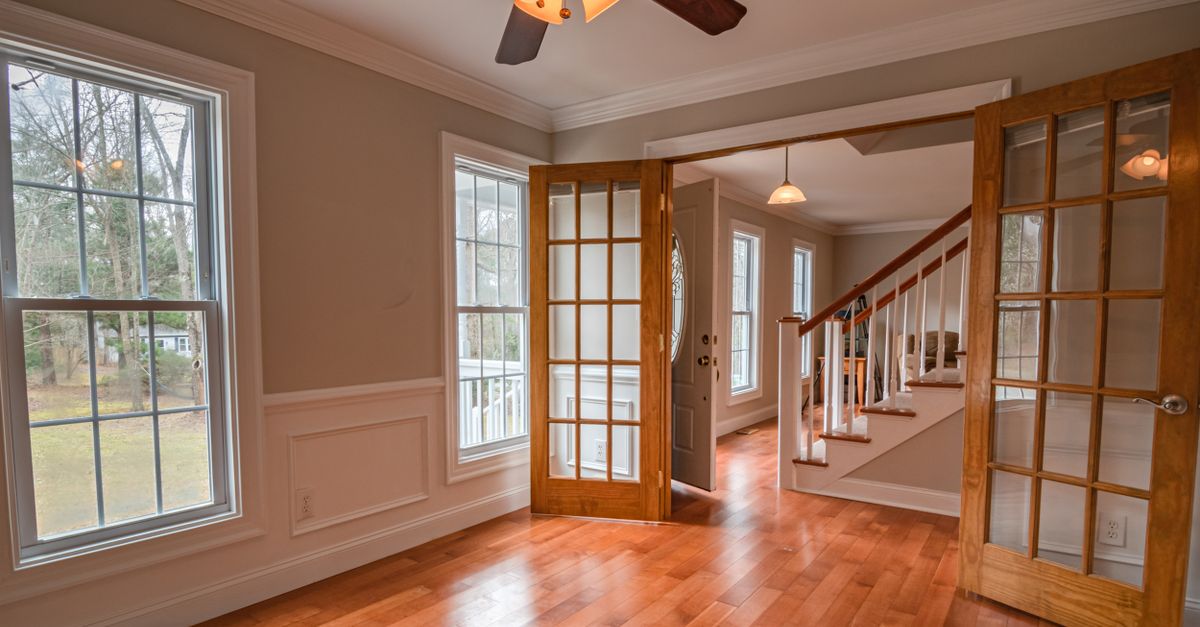
You’ve done it. The sun is shining, a gentle breeze is blowing, and you’ve flung open every window in your house, hoping to banish that lingering stale smell. You wait, you even walk through, taking deep, hopeful breaths. Yet, an hour later, that same stagnant, slightly musty air seems to creep back, making your home feel less like a sanctuary and more like a sealed-off time capsule. If this sounds painfully familiar, you’re not alone. I’ve heard countless clients express this frustration, convinced their home has a ‘freshness curse.’ But in my years of experience, I’ve learned that simply opening windows, while a good start, is rarely enough to tackle the root causes of persistent staleness. It’s often the hidden, overlooked culprits that are silently sabotaging your efforts for a truly fresh home.
Key Takeaways
- Air circulation from open windows is often insufficient to address hidden sources of indoor air pollution.
- Lingering odors are frequently trapped in soft furnishings, carpets, and overlooked surfaces, requiring targeted cleaning.
- High indoor humidity fosters mold and mildew, which contribute significantly to stale, musty smells.
- Your HVAC system can be a major culprit, recirculating stale air and distributing trapped contaminants if not properly maintained.
- Incorporating live plants and strategic ventilation can create a genuinely fresh and vibrant indoor environment.
The Illusion of ‘Fresh’ Air: Why Open Windows Aren’t Enough
When we open windows, we often assume we’re achieving a complete air exchange. We picture stale air flowing out and clean, crisp outdoor air rushing in. The reality is usually far less dramatic. Unless you have a strong cross-breeze, which is a rare luxury for most homes, the air exchange is often partial and localized. You might get a burst of fresh air near the open window, but the air in the deeper parts of your rooms, hallways, and especially in enclosed spaces, often remains largely undisturbed. Think of it like trying to empty a swimming pool with a teacup – some water gets out, but the bulk stays put.
What’s more, the air outside isn’t always as pristine as we imagine. Depending on where you live, outdoor air can carry pollen, pollutants from traffic, industrial emissions, or even smoke from distant fires. While these might smell ‘different’ from your indoor air, they don’t necessarily equate to ‘fresh’ or ‘clean.’ The true problem isn’t just a lack of new air, but a buildup of contaminants within your home that simply opening a window can’t sweep away. I’ve seen homes with fantastic natural light and ample windows still feel heavy and stagnant, purely because the underlying sources of staleness were never addressed.
The Silent Odor Traps: Soft Furnishings and Overlooked Surfaces
One of the biggest mistakes I see homeowners make is underestimating the sheer absorbent power of their soft furnishings. Your sofa, curtains, carpets, rugs, throw pillows – these aren’t just decorative items; they’re giant sponges for every odor that floats through your home. Cooking smells (especially from strong spices or fried foods), pet odors, body odors, stale perfume, cigarette smoke, and even the off-gassing from new furniture can all get deeply embedded in these porous materials. And once they’re in, simply airing them out won’t cut it. The molecules are literally trapped in the fibers.
Consider the lifespan of these items. How often do you deep clean your carpets, professional steam clean your sofa, or launder your curtains? For most, it’s rarely, if ever. The average carpet, for instance, can hold pounds of dust, dander, and microscopic organic matter, which contribute a significant, persistent odor over time. This isn’t just about surface grime; it’s about a molecular buildup that requires more than a quick spray or open window to neutralize. In my own home, a deep clean of our living room rug after years of pet ownership was a revelation. I thought it was ‘clean’ from regular vacuuming, but the difference in air quality was immediate and dramatic.
Beyond soft furnishings, think about your hard surfaces. Walls, especially in kitchens or bathrooms, can absorb odors and residues over time. The film of grease on kitchen cabinets or the soap scum buildup in showers don’t just look dirty; they harbor odor-causing bacteria and compounds. Even seemingly clean surfaces can be contributing to the overall staleness if not thoroughly cleaned with the right products that actually neutralize odors, rather than just masking them. I once worked with a client who swore their kitchen was spotless, but a simple wipe-down with a vinegar solution revealed years of accumulated cooking residue on their upper cabinet faces – residue they literally couldn’t see, but could definitely smell.
The Humidity Hurdle: Battling Mold, Mildew, and Mustiness
If your home consistently feels stale, especially with a faint, earthy smell, high indoor humidity is almost certainly a major contributor. Humidity creates the perfect breeding ground for mold and mildew, which are notorious for producing persistent, musty odors. And these aren’t always visible in large, obvious patches. Mold can hide behind walls, under floorboards, in damp basements or crawl spaces, inside air ducts, or even in forgotten corners of closets. Their spores are airborne and carry that unmistakable musty scent, permeating your entire home.
I often see this issue exacerbated in bathrooms, laundries, and kitchens – areas prone to moisture. If you don’t have adequate ventilation in these spaces (e.g., leaving the bathroom fan on for 15-20 minutes after a shower, or using a range hood while cooking), that moisture lingers, creating ideal conditions for microbial growth. Even something as innocuous as drying clothes indoors without proper ventilation can significantly raise your home’s humidity levels.
My personal rule of thumb: if you can smell it, it’s already a problem. Mold isn’t just an odor issue; it can pose significant health risks. I once discovered a pervasive musty smell in a spare bedroom that no amount of airing out could fix. Turns out, a tiny leak in the roof had gone unnoticed, creating a small patch of mold behind the baseboard. Addressing the leak and cleaning the mold completely transformed the air quality in that room. Investing in a hygrometer (a humidity monitor) for key rooms can be incredibly insightful, aiming for indoor humidity between 30-50%.
The HVAC Handicap: When Your Air System Works Against You
Your heating, ventilation, and air conditioning (HVAC) system is designed to circulate air throughout your home. But if not properly maintained, it can become a primary culprit for stale, smelly air rather than a solution. Think about it: your HVAC system pulls air from your home, conditions it, and pushes it back out. If that air is already stale, dirty, or full of allergens, the system simply recirculates and distributes those contaminants.
The most common and often overlooked offender is a dirty air filter. A clogged filter can’t effectively trap dust, pet dander, pollen, and other airborne particles that contribute to stale odors. Not only does it reduce air quality, but it also makes your system work harder, wasting energy. I recommend changing filters at least every 1-3 months, especially if you have pets or allergies. It’s a small, inexpensive task that yields massive results.
Beyond filters, your ducts themselves can be a repository for dust, debris, pet hair, and even mold if there’s been moisture intrusion. Every time your system kicks on, it can stir up and distribute these accumulated contaminants, perpetuating the stale smell. While professional duct cleaning isn’t always necessary annually, if you’ve never had it done, or if you suspect moisture issues or have recently completed renovations, it can be a game-changer. I’ve heard countless stories of people spending a fortune on air purifiers, only to find the core issue was a decades-old, gunked-up duct system.
Beyond Ventilation: Proactive Solutions for Lasting Freshness
Achieving true, lasting freshness in your home goes far beyond simply opening windows. It requires a multi-pronged, proactive approach that tackles both immediate odors and their underlying causes. Here’s what I’ve found actually works:
1. Master the Deep Clean, Systematically
This isn’t about daily tidying; it’s about a strategic assault on odor traps. Regularly deep clean all soft furnishings. Vacuum carpets and rugs at least twice a week, using a good quality vacuum with a HEPA filter. Professional carpet cleaning annually or bi-annually is a non-negotiable. Launder curtains, throw blankets, and cushion covers every few months. For upholstery, invest in a portable steam cleaner or hire a professional. Don’t forget to wipe down walls, especially in high-traffic or odor-prone areas like kitchens and dining rooms. Use enzymatic cleaners for pet odors, as they break down odor-causing molecules rather than just masking them. Baking soda sprinkled on carpets and upholstery for an hour before vacuuming is an old but effective trick.
2. Control Humidity Like a Pro
Invest in a good quality dehumidifier, especially for basements, laundry rooms, or any area prone to dampness. Run exhaust fans religiously in bathrooms and kitchens. Aim to keep indoor humidity between 30-50%. If you dry clothes indoors, do so in a well-ventilated area or use a dryer with external venting. Fix any leaks immediately, no matter how small, as even minor water intrusion can lead to significant mold growth and persistent musty smells. The cost of a dehumidifier is far less than the cost of mold remediation.
3. Elevate Your HVAC Maintenance
Change your HVAC filter every 1-3 months without fail. Consider upgrading to a higher MERV (Minimum Efficiency Reporting Value) filter for better particle capture, but ensure your system can handle it without restricting airflow. Schedule annual professional HVAC maintenance. Not only will this ensure your system runs efficiently, but technicians can also inspect for potential mold in coils or ductwork, and address any issues before they become major odor sources. If your ducts haven’t been cleaned in years, especially after major construction or a known moisture problem, a professional duct cleaning is a worthwhile investment.
4. Embrace Strategic Air Purifiers
While not a substitute for addressing root causes, a high-quality air purifier with a HEPA filter and activated carbon can be a powerful tool to remove airborne particles, allergens, and odors after you’ve tackled the sources. Place them strategically in living areas or bedrooms where stale smells tend to linger. I find them particularly effective in bedrooms overnight or in open-plan living spaces during the day. Look for models with a high CADR (Clean Air Delivery Rate) for the size of your room.
5. Incorporate Nature’s Air Fresheners
Live plants aren’t just decorative; many are natural air purifiers. Snake plants, peace lilies, spider plants, and English ivy are excellent at filtering common indoor air pollutants. Just be mindful of overwatering, which can ironically contribute to humidity and mold. Additionally, incorporating natural elements like bowls of baking soda, activated charcoal sachets, or even fresh citrus peels can help absorb ambient odors without adding artificial fragrances. My favorite trick for a quick, natural refresh is a simmering pot of water with orange peels, cinnamon sticks, and cloves – a truly inviting scent that replaces staleness, rather than simply masking it.
True freshness isn’t about masking odors; it’s about creating an environment where stale air simply can’t thrive. By systematically addressing the hidden traps and leveraging smart ventilation, humidity control, and proactive cleaning, you can transform your home into a consistently fresh and inviting space.
Frequently Asked Questions
Q: How often should I truly deep clean my home to prevent stale odors?
A: A systematic deep clean of soft furnishings (carpets, upholstery, curtains) should happen at least twice a year, with targeted cleaning of high-traffic areas or areas with pets/cooking odors monthly. Regular weekly cleaning (vacuuming, wiping surfaces) is essential for maintenance, but the deep dives are what tackle embedded staleness.
Q: Can essential oil diffusers help with stale air?
A: Essential oil diffusers can mask odors temporarily, but they don’t remove the source of the stale air or address underlying issues like mold or trapped contaminants. Use them sparingly and only after you’ve tackled the root causes; otherwise, you’re just perfuming dirty air.
Q: What’s the fastest way to get rid of a persistent stale smell in a room?
A: The fastest way is usually a multi-step approach: 1) Thoroughly clean all soft surfaces (vacuum, launder, spot clean upholstery). 2) Ventilate aggressively with multiple windows open and fans circulating air towards the outside. 3) Place bowls of activated charcoal or baking soda to absorb odors. 4) Run a quality air purifier with activated carbon. If the smell persists, you likely have a hidden moisture or mold issue that needs professional investigation.
Q: Is professional duct cleaning really necessary for air freshness?
A: It’s not always necessary annually, but if your home is old, has never had its ducts cleaned, you’ve recently renovated, or you have pets/allergies/smokers, it can make a significant difference in reducing dust, allergens, and embedded odors that your HVAC system recirculates. Look for NADCA-certified professionals.
Q: What if I can’t open my windows due to allergies or outdoor pollution?
A: In this case, a high-quality whole-house air filtration system integrated with your HVAC is crucial. Supplement with portable air purifiers with HEPA and activated carbon filters in individual rooms. Focus even more diligently on deep cleaning soft furnishings, controlling humidity with dehumidifiers, and meticulous HVAC filter changes. Consider energy recovery ventilators (ERVs) or heat recovery ventilators (HRVs) for controlled air exchange without sacrificing indoor air quality or energy efficiency.
Conclusion
Banishing that persistent stale smell from your home is more than just a quick fix; it’s about understanding the subtle ways odors become trapped and circulated. By adopting a diligent approach to deep cleaning, mastering humidity control, maintaining your HVAC system, and intelligently using air purification, you can transform your living space. Stop battling the symptoms and start tackling the source – your home deserves to genuinely feel as fresh and inviting as you envision. Take that first step: check your HVAC filter today!