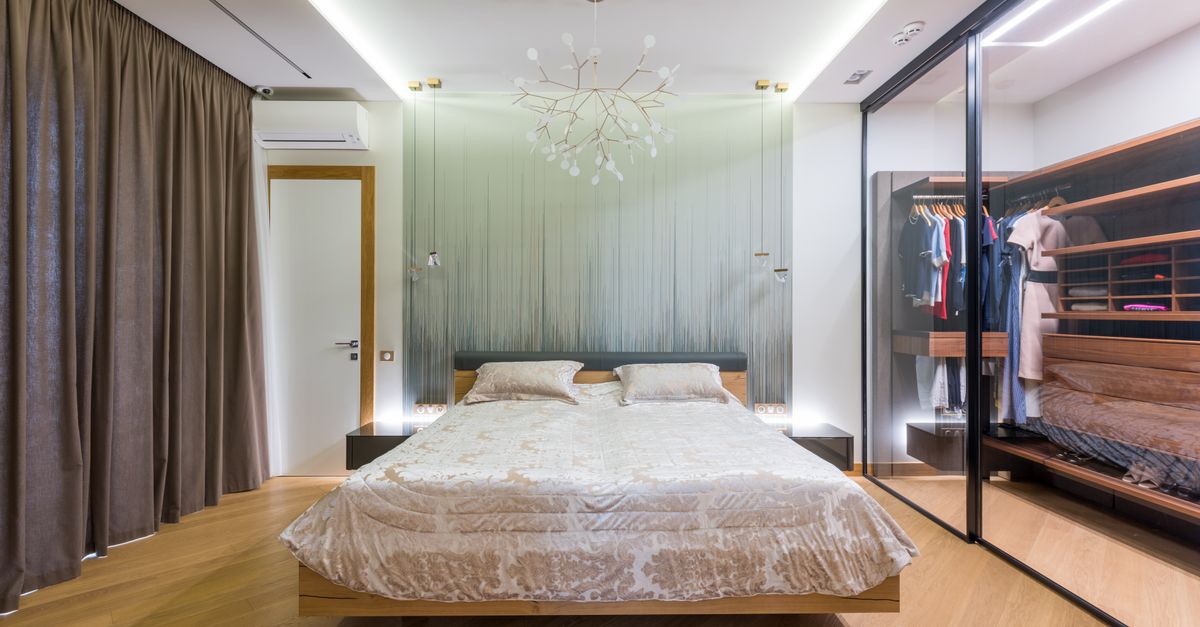
You walk into your bedroom after a long day, hoping for a breath of fresh air, a sense of calm, a space that truly feels like a retreat. Instead, you’re met with… nothing. Or worse, a feeling of dullness, an oppressive staleness, a space that just doesn’t feel inviting. It’s not necessarily dirty, and you might even clean regularly, but it lacks that elusive ‘fresh’ quality. Perhaps it feels heavy, visually cluttered, or simply devoid of life. You’ve tried opening windows, lighting candles, maybe even bought an air freshener, but the feeling persists. In my experience as a home decorator, this isn’t usually a cleaning problem; it’s almost always a design problem. Specifically, it’s a series of subtle, often overlooked design mistakes that cumulatively steal your bedroom’s freshness and invitation.
Key Takeaways
- Over-reliance on heavy, dated textiles and dark colors traps visual and actual staleness, making a room feel heavy.
- Neglecting vertical space and allowing horizontal surfaces to become cluttered creates a sense of overwhelm and inhibits freshness.
- Poor lighting choices, especially relying solely on harsh overheads, kill ambiance and make a room feel uninviting.
- Ignoring natural ventilation and incorporating artificial elements without proper balance contributes to a genuinely stale environment.
- A lack of personal touches and intentional design makes a bedroom feel generic and unwelcoming.
The Overlooked Power of ‘Visual Weight’ in Textiles (And Why Heavy Drapes Are Killing Your Vibe)
The biggest culprit I see in stale bedrooms is an unconscious over-reliance on heavy, visually dense textiles, often coupled with outdated color palettes. Think thick, floor-to-ceiling drapes in dark, muted tones, heavy comforters with busy patterns, and an excess of decorative pillows that serve no real comfort purpose. While these might seem luxurious or cozy in isolation, their cumulative effect in a bedroom is often oppressive.
Heavy drapes, for instance, block natural light and airflow, immediately contributing to a sense of staleness. They literally prevent your room from breathing. I remember a client, Maria, who complained her bedroom always felt ‘stuffy.’ Her windows were dressed with velvet drapes that were almost black, paired with equally dark blackout blinds. The room rarely saw direct sunlight, and the heavy fabric absorbed rather than reflected light. When we replaced them with sheer linen curtains over a lighter, thermal blind, the transformation was instant. Not only did the room brighten, but it felt perceptibly lighter and fresher. The air seemed to move differently.
Similarly, bulky bedding, especially in dark, saturated colors or dense patterns, adds significant visual weight. It makes the bed feel less like a cloud and more like a mountain. The mistake here is thinking ‘more fabric equals more luxury.’ Often, it’s the opposite. Opt for lighter, breathable fabrics like linen, cotton percale, or a crisp sateen in lighter, airier colors. Layer textures, but keep the overall visual density low. A duvet cover in a soft white, cream, or light pastel, with a simple throw and two standard pillows, often feels infinitely more inviting than a bed piled high with dark, heavily patterned fabrics and a dozen throw pillows you have to move every night. In my experience, a bedroom should feel like it’s exhaling, not holding its breath.
The Gravity of Horizontal Clutter (And How It Drags Down Your Entire Room)
We often focus on ‘decluttering’ by putting things away, but the critical mistake in bedrooms is allowing horizontal surfaces to become dumping grounds. Bedside tables, dressers, the top of a chest, even the floor around your bed – these areas become magnets for books, charging cables, half-empty water glasses, jewelry, mail, and sundry items that have nowhere else to go. This isn’t just about ‘mess’; it’s about visual noise that creates a profound sense of overwhelm and staleness.
Consider the concept of ‘visual oxygen.’ When every flat surface is covered, your eyes have nowhere to rest. The room feels constricted, busy, and visually heavy. This unconsciously translates to a feeling of being weighed down, making the room anything but inviting. I once worked with a couple, David and Lisa, whose bedroom felt incredibly small and oppressive despite being a decent size. Their nightstands were overflowing, the dresser top was buried under toiletries, and clothes often lay draped over chairs. We implemented a ‘one item’ rule for nightstands: only one personal item (like a book or a small plant) plus a lamp. Everything else found a home in drawers, lidded boxes, or a designated spot in the closet. The immediate impact was astounding. The room instantly felt larger, calmer, and much, much fresher. It was like finally being able to take a deep, clear breath after holding it for too long.
The real solution here isn’t just to tidy up, but to create systems for clutter to never settle. Use trays on dressers to group items, reducing visual scatter. Implement drawers with dividers for smaller items. Mount wall-sconces instead of table lamps to free up nightstand space. The goal is to minimize the visible footprint of everyday items, allowing those horizontal surfaces to reflect light, offer a sense of openness, and contribute to the room’s overall serenity. That visual quiet is what makes a bedroom feel truly inviting, not just clean.
The Harsh Reality of Overhead Lighting (And Why It’s Making Your Bedroom Feel Like an Operating Room)
Many people make the critical mistake of relying on a single, harsh overhead light as their primary light source in the bedroom. This is a guaranteed way to make your room feel uninviting, stark, and utterly devoid of ambiance. Overhead lighting, especially with cool-toned bulbs, casts unflattering shadows, creates a flat and lifeless environment, and actively works against the warm, soft, and relaxing atmosphere a bedroom should embody. It’s functional, yes, but it’s the enemy of coziness.
I vividly remember visiting a friend’s new apartment. Her bedroom was beautifully decorated with soft colors and plush bedding, but the moment she flipped on the ceiling light, the entire charm vanished. It was a single, exposed bulb that created a clinical glare. She asked why her room, despite all her efforts, still felt ‘cold.’ My immediate thought was the lighting. The solution was surprisingly simple: we added two bedside lamps with warm-toned bulbs and a dimmer switch, along with a small floor lamp in a corner. We then removed the main ceiling bulb, leaving the fixture as a decorative element. The transformation was dramatic. The room instantly became soft, layered, and deeply inviting. It felt like a warm hug, rather than a fluorescent interrogation room.
The secret to inviting bedroom lighting is layering. You need ambient light (a soft overhead fixture with a dimmer, or indirect cove lighting), task lighting (bedside lamps for reading), and accent lighting (a small lamp on a dresser, or even up-lights behind a plant) to create depth and warmth. Always opt for warm-toned bulbs (around 2700K-3000K) and incorporate dimmers wherever possible. This allows you to control the mood and create a soft, welcoming glow that transforms your bedroom from merely functional to genuinely inviting. It’s about setting a scene, not just illuminating a space.
The Silent Sabotage of Stagnant Air (And Why Air Fresheners Are Just Band-Aids)
A bedroom can feel stale even when it’s clean, and often, this is due to truly stagnant air and a lack of proper natural ventilation. Most people’s first instinct is to spray an air freshener or light a scented candle. While these might temporarily mask odors, they don’t address the underlying issue of poor air quality and can often contribute to the problem by introducing synthetic fragrances that become cloying. The mistake here is treating the symptom, not the cause.
True freshness comes from movement and natural elements. I once consulted for a couple whose master bedroom always had a faint, indefinable smell – not unpleasant, but persistently ‘not fresh.’ They kept windows closed for privacy and heating/cooling efficiency. My recommendation was surprisingly effective: implement a daily 15-minute ‘airing out’ ritual. This involved opening windows wide on opposite sides of the house (or just the bedroom if no opposing window) to create a cross-breeze, even in cooler weather. We also added a few indoor plants known for air-purifying qualities and ensured their AC/heating filters were regularly changed. Within a week, the subtle staleness was gone. The air felt lighter, crisper, and genuinely clean, not just scented.
Beyond opening windows, consider strategic placement of indoor plants, especially those known for improving indoor air quality like snake plants, peace lilies, or ZZ plants. Ensure your HVAC system’s filters are clean and replaced regularly – they filter dust, allergens, and odors that contribute to staleness. If cross-ventilation isn’t possible, a small, quiet fan on a low setting can help circulate air without creating a draft. The goal is to encourage continuous, subtle air exchange, bringing in fresh oxygen and pushing out stale particles. This fundamental principle of air circulation is crucial for a truly inviting and healthy bedroom environment. Don’t just scent the air; change the air.
The Generic Trap of the Un-Lived Space (And How to Infuse Soul into Your Sanctuary)
Finally, a bedroom can feel uninviting because it lacks personal character and soul. We often prioritize functionality and aesthetics, forgetting that a bedroom, more than any other room, should be a deeply personal reflection of who we are and what brings us peace. The mistake here is creating a perfectly decorated room that feels un-lived-in, sterile, or like a page from a catalog rather than a sanctuary.
I’ve seen countless bedrooms that technically follow all the ‘rules’ – cohesive color palettes, good lighting, minimal clutter – but still feel flat, lacking that inviting warmth. This often happens when every item is new, perfectly matched, and nothing tells a story. One client, a busy professional named Sarah, had a beautiful, minimalist bedroom. But it felt cold, almost like a hotel room. She admitted she’d bought everything from a single store’s ‘bedroom set.’ We started by introducing items with meaning: a framed photograph of a cherished travel memory, a small, handcrafted ceramic vase from a local artisan, a soft throw blanket inherited from her grandmother. These weren’t grand gestures, but they were deeply personal. Slowly, the room began to feel like her room, a place of comfort and connection, not just a display.
To infuse soul, think beyond mere decoration. Display objects that evoke positive memories or feelings. Incorporate textures that invite touch and comfort, like a chunky knit throw, a soft sheepskin rug, or velvet pillows. Add art that genuinely speaks to you, not just fills a space. A well-loved book on the nightstand, a small collection of meaningful trinkets, or even a curated playlist ready to go can make a bedroom feel truly lived-in and welcoming. Your bedroom should be a physical manifestation of your inner peace and joy. When it reflects you, it automatically becomes inviting.
Frequently Asked Questions
Q: My bedroom always feels dusty, even after cleaning. What am I doing wrong?
A: Persistent dust often stems from heavy textiles (like thick carpets or velvet drapes that trap dust), insufficient air filtration (check your HVAC filters!), and not routinely dusting hard-to-reach areas like ceiling fan blades or the tops of wardrobes. Try to incorporate smoother, washable textiles, upgrade your air filter, and be diligent with high-surface dusting. Vacuuming with a HEPA filter can also make a significant difference.
Q: How can I make my small bedroom feel less stale and more inviting without buying new furniture?
A: Focus on vertical space and visual lightness. Mount wall-sconces to free up nightstand space, use floating shelves for decor instead of bulky bookcases, and opt for sheer, light-colored curtains to maximize natural light. Strategic mirror placement can also reflect light and open up the room. Declutter horizontal surfaces ruthlessly to create a sense of spaciousness.
Q: I love dark colors. Can I still have an inviting bedroom with a dark palette?
A: Absolutely, but you need to balance the visual weight. Use dark colors on one accent wall, or choose a deep, rich hue for bedding that contrasts with lighter walls. Crucially, layer lighting effectively with multiple warm light sources and dimmers. Incorporate reflective surfaces like mirrors, metallic accents, and lighter art to bounce light around. Ensure excellent natural ventilation to prevent the room from feeling heavy.
Q: Are air purifiers helpful for a stale bedroom, or are they just a band-aid?
A: High-quality air purifiers with HEPA filters can be very effective at removing allergens, dust, and odors, genuinely improving air quality. They are more than a band-aid if used as part of a holistic strategy that also includes regular ventilation (opening windows) and consistent cleaning. They work best in conjunction with fresh air, not as a replacement for it.
Q: My bedroom has harsh overhead lighting that I can’t easily change. What’s the best way to soften it?
A: If you can’t replace the fixture, focus on adding layers of alternative lighting. Introduce bedside lamps, a floor lamp, and perhaps a small lamp on a dresser. Use warm-toned LED bulbs with the lowest wattage possible in your overhead fixture, and consider a smart bulb that allows you to change color temperature and dimness via an app. If all else fails, simply avoid using the overhead light except for functional tasks, relying on your layered lamps for ambiance.