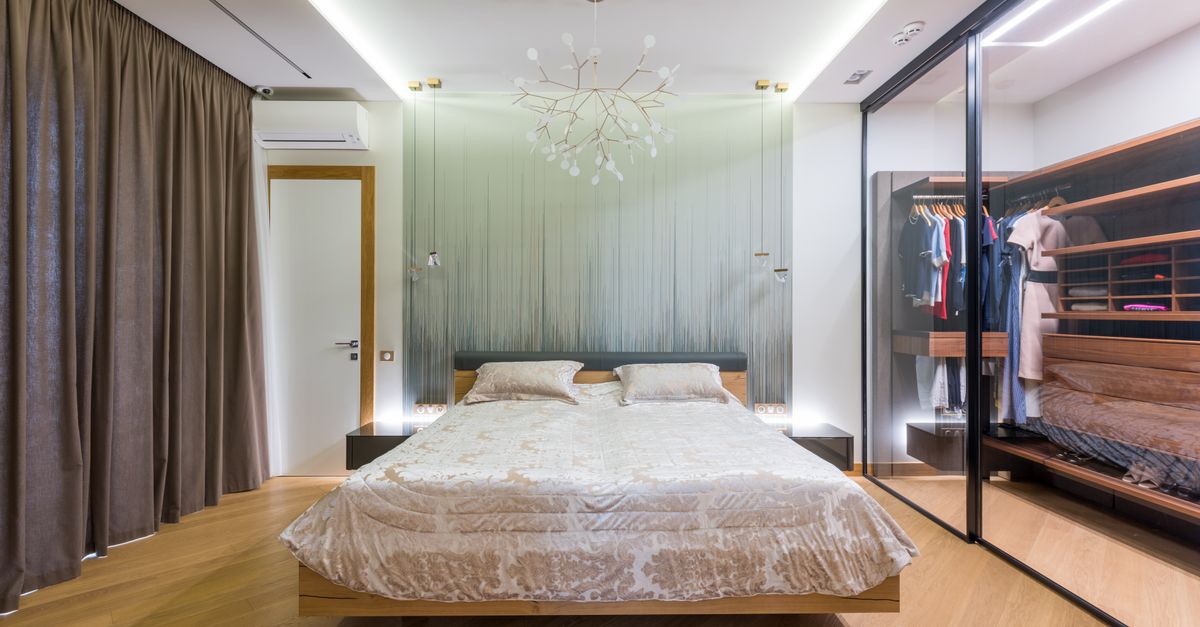
You walk into your bedroom at the end of a long day, hoping for a sanctuary, a calm retreat. Instead, you’re met with… well, just a room. It’s not necessarily cluttered, and you even like most of your furniture, but there’s a persistent feeling of ‘staleness’ – an undefinable lack of warmth, personality, or true comfort. It doesn’t quite feel like the haven you crave. I’ve been there, too. For years, I struggled to pinpoint why my own bedroom, despite having all the ‘right’ elements, never quite clicked. It felt like a collection of items rather than a cohesive, inviting space. The mistake I see most often, and one I made myself, is approaching bedroom design as a purely aesthetic exercise, rather than focusing on its primary function: restorative rest and personal sanctuary. What changed everything for me was realizing that true bedroom design isn’t just about what looks good; it’s about creating an atmosphere that supports your well-being, often by correcting subtle, overlooked design flaws.
Key Takeaways
- Prioritize ambient, layered lighting over harsh overhead lights to create a soothing atmosphere.
- Introduce varied textures and natural elements to add depth and warmth, preventing a flat, sterile feel.
- Thoughtfully place and scale artwork and mirrors to reflect personality and enhance spaciousness without overwhelming.
- Implement subtle scent and sound strategies to engage all senses, elevating the room’s sanctuary status.
The Overlooked Power of Layered Lighting: Why Your Bedroom Feels Like an Operating Room
When I first started decorating, I thought a nice ceiling fixture was enough. Maybe a lamp on the nightstand for reading. The reality? This approach often leaves bedrooms feeling stark and unwelcoming after dark. Overhead lights, especially those with cool-toned bulbs or high wattage, can create harsh shadows and a clinical ambiance, completely counter to the relaxed mood you want. In my experience, this single lighting mistake is one of the biggest culprits behind a ‘stale’ bedroom.
The solution lies in layered lighting, a concept that allows you to control the mood and functionality of your space throughout the day and evening. Think about it: during the day, you rely on natural light. At night, you need options. You want ambient light for general illumination, task lighting for reading or getting ready, and accent lighting to highlight features or add warmth.
Here’s a practical breakdown: Start with a dimmer on your main overhead fixture – this is non-negotiable. Next, add bedside lamps with warm-toned bulbs (around 2700K to 3000K). These provide perfect task lighting for reading and a soft glow. Consider a floor lamp in a corner or by an armchair for additional ambient light and visual interest. Even a small table lamp on a dresser can make a huge difference. The goal is to create pools of light rather than one blinding source. What changed everything for me was investing in smart bulbs that allow me to adjust both brightness and color temperature from my phone, making it effortless to shift from bright morning light to a cozy evening glow. This small investment completely transformed the mood of my bedroom, making it feel instantly more inviting and less ‘stale’. Don’t just light your room; sculpt it with light.
The Texture Vacuum: Why Your Bedroom Lacks Depth and Warmth
Another common pitfall I’ve observed, and corrected in my own space, is the ‘texture vacuum’ – a room dominated by smooth, often synthetic, surfaces. Think about it: a standard bed frame, flat cotton sheets, a smooth dresser, and maybe a single rug. While these items are functional, they collectively create a visually flat and tactilely uninteresting environment. Without varied textures, a room can feel sterile, cold, and utterly lacking in personality, making it feel less like a cozy retreat and more like a hotel room awaiting its next guest.
Introducing a rich array of textures is paramount to making a bedroom feel warm, inviting, and truly lived-in. In my experience, aiming for at least five distinct textures makes a noticeable difference. Start with your bedding: layer a chunky knit throw over crisp linen sheets, add some velvet or faux fur throw pillows. Don’t stop there. Consider a jute or wool rug underfoot for natural warmth. A wooden dresser with a visible grain, rather than a laminate one, adds another layer. Introduce elements like a woven basket for laundry, a ceramic vase with dried pampas grass, or even a piece of wall art with a canvas texture. The contrast between rough and smooth, soft and firm, shiny and matte, creates a visual and tactile feast that prevents the room from feeling monotonous.
For example, in my own bedroom, I consciously combined a soft, plush rug, crisp percale sheets, a chunky cable-knit throw, a weathered oak nightstand, and a few linen decorative pillows. This blend instantly added a dimension of comfort and sophistication that was missing before. The hidden cost of ignoring texture is a room that, while clean, feels uninspired and fails to engage the senses in a comforting way.
The Art of Scale and Placement: When Decor Becomes Visual Noise
Many people, myself included in the past, fall into the trap of either too little decor or too much, or worse, decor that’s completely out of scale. You might have a tiny piece of art on a massive wall, making the wall feel even emptier, or conversely, a collection of small, unrelated items that create visual clutter without adding character. The result is a room that feels either stark and unfinished or overwhelming and disorganized, both contributing to that ‘stale’ feeling.
Proper scale and thoughtful placement of artwork and decorative objects are crucial for creating a harmonious and inviting bedroom. Before you hang anything, consider the size of the wall and the surrounding furniture. A large wall often needs a single, substantial piece of art, or a well-curated gallery wall with pieces that relate to each other in theme or color palette. A good rule of thumb for art above a bed or dresser is that it should be approximately two-thirds the width of the furniture it’s above. This creates visual balance.
Mirrors are another powerful tool. Placed strategically, they can reflect light and make a room feel larger and brighter, combating the ‘stale’ feeling. However, a mirror reflecting a cluttered corner or a blank wall misses its potential. Position it to reflect something beautiful – a window with natural light, a plant, or a piece of art. When it comes to nightstands, avoid cramming them with too many small items. A lamp, a book, and one small decorative object (like a catch-all dish or a small plant) are usually sufficient. The mistake I see most often is placing items without considering how they interact with each other and the surrounding space. What changed everything for me was starting with the largest items first (bed, dresser), then filling in with mid-sized pieces (art, mirrors), and finally adding small decorative accents. This hierarchical approach ensures everything has its place and purpose, making the room feel thoughtfully curated rather than randomly assembled.
Ignoring the Fifth Sense: Why Your Bedroom Smells (or Lacks Scent) and Sounds (or Lacks Soothing Sound)
We focus so much on how a room looks and feels, we often neglect how it smells and sounds. Yet, scent and sound have an incredibly powerful, almost subconscious, impact on our mood and perception of a space. A stale, musty smell, even faint, can immediately make a room feel unwelcoming. Conversely, a beautiful visual space that smells faintly of old laundry or lacks any appealing scent can still feel ‘off.’ Similarly, a bedroom that’s either too quiet (making every creak and distant noise audible) or too noisy (from outside traffic) can disrupt the sense of peace.
To truly elevate your bedroom to a sanctuary, you must engage the olfactory and auditory senses deliberately. For scent, I’ve found that a light, natural fragrance makes all the difference. Ditch the overpowering synthetic air fresheners. Instead, opt for an essential oil diffuser with calming scents like lavender, chamomile, or cedarwood. A high-quality soy candle with a subtle, clean scent can also work wonders. Change your bedding regularly – the smell of fresh linens is incredibly inviting. Consider placing a small sachet of dried lavender in your dresser drawers. The goal isn’t to mask odors but to introduce pleasant, subtle notes that enhance relaxation.
For sound, the challenge is often to create a serene backdrop. If outside noise is an issue, consider heavy curtains or even a white noise machine set to a low, calming frequency. If your room is too quiet, making you hyper-aware of every internal house noise, a gentle, ambient sound (like soft instrumental music or nature sounds) can help create a more enveloping, peaceful atmosphere. In my own home, a smart speaker quietly playing instrumental jazz or rain sounds on a timer before bed has transformed my ability to unwind. These small, often overlooked details collectively make a huge difference in how a room ‘feels’ beyond what’s visible, directly combatting that stale, uninviting vibe.
The Clutter Creep and Forgotten Corners: Your Bedroom’s Hidden Drainage
Even in a seemingly ‘tidy’ bedroom, clutter has a way of creeping in, especially in forgotten corners or on surfaces that become unintentional dumping grounds. This isn’t always about visible piles of clothes; it can be a nightstand overflowing with old magazines, chargers, and half-empty water bottles, or that chair in the corner piled high with ‘to be put away’ items. These small pockets of disorganization create subtle visual noise and mental friction, preventing the room from feeling truly restful and serene. It’s like a slow leak that drains the peaceful energy from your space.
To combat this, it’s crucial to be ruthless about creating a home for everything and regularly addressing these ‘forgotten’ zones. For nightstands, implement a strict one-in-one-out policy for books and magazines, and use decorative boxes or trays to contain smaller items like remotes or chapstick. Hide charging cables with cable management solutions. That ‘clothes chair’? It needs to be retired or repurposed as a proper seating area with a decorative throw and a plant, never a clothes rack. If you find clothes consistently accumulating, you likely need a better laundry system or more effective closet organization. In my experience, designating a specific time once a week (even just 10 minutes) for a ‘bedroom reset’ – tidying surfaces, fluffing pillows, and putting stray items away – prevents the clutter creep from taking hold. The hidden cost of these neglected zones isn’t just visual; it’s the mental energy they subtly drain, constantly reminding you of undone tasks, making your bedroom feel anything but a sanctuary. What changed everything for me was embracing beautiful, functional storage – a lidded basket for throws, decorative boxes for small items, and a dedicated spot for every piece of technology. This isn’t just about hiding things; it’s about respecting your space and your peace of mind.
Frequently Asked Questions
Q: How can I make a small bedroom feel more inviting without adding clutter?
A: Focus on vertical space and multi-functional furniture. Use wall-mounted shelves or floating nightstands to free up floor space. Choose a bed with built-in storage. Utilize mirrors to reflect light and create an illusion of depth. Keep your color palette light and cohesive, and introduce texture through bedding and a small rug to add warmth without bulk.
Q: What’s the ideal color palette for a truly restful bedroom?
A: Generally, soft, muted tones are best for promoting relaxation. Think calming blues, serene greens, warm grays, and soft creams or whites. Avoid overly vibrant or dark, intense colors on large surfaces, as these can be stimulating. Incorporate deeper colors as accents through pillows, throws, or a single piece of art for depth.
Q: My bedroom always feels cold, even with the heat on. How can I fix this with decor?
A: Layering is key! Start with a plush, high-pile rug, especially if you have hard floors. Use heavy curtains or drapes to insulate windows and add a sense of coziness. Layer your bedding with a duvet, blankets, and throws in varied textures. Incorporate warm-toned lighting and natural materials like wood and wool, which inherently feel warmer than metal or glass.
Q: How do I incorporate personal touches without making the room look messy?
A: Curate your personal items. Instead of displaying every photograph or souvenir, select a few meaningful pieces and arrange them thoughtfully. Use trays to group smaller collectibles on a dresser or nightstand. Create a small, cohesive gallery wall rather than scattering many small frames. The goal is intentional display, not accumulation.
Q: What’s the biggest impact change I can make on a budget to refresh a stale bedroom?
A: Hands down, refreshing your bedding and adjusting your lighting. New, quality sheets, a cozy throw, and a couple of decorative pillows can completely transform the look and feel of your bed, which is the focal point of the room. Simultaneously, swap out harsh overhead bulbs for warmer LED options and add a soft bedside lamp if you don’t have one. These changes are relatively inexpensive but yield dramatic results.
Conclusion
Transforming a stale, uninviting bedroom into a true sanctuary isn’t about expensive renovations or chasing the latest trends. It’s about a deep understanding of how design elements—lighting, texture, scale, scent, sound, and organization—interact to create an atmosphere. By addressing these often-overlooked design mistakes, you’re not just redecorating; you’re cultivating a space that genuinely supports your rest, relaxation, and overall well-being. Start with one area – perhaps improving your lighting – and see the tangible difference it makes. Your serene, inviting bedroom awaits.